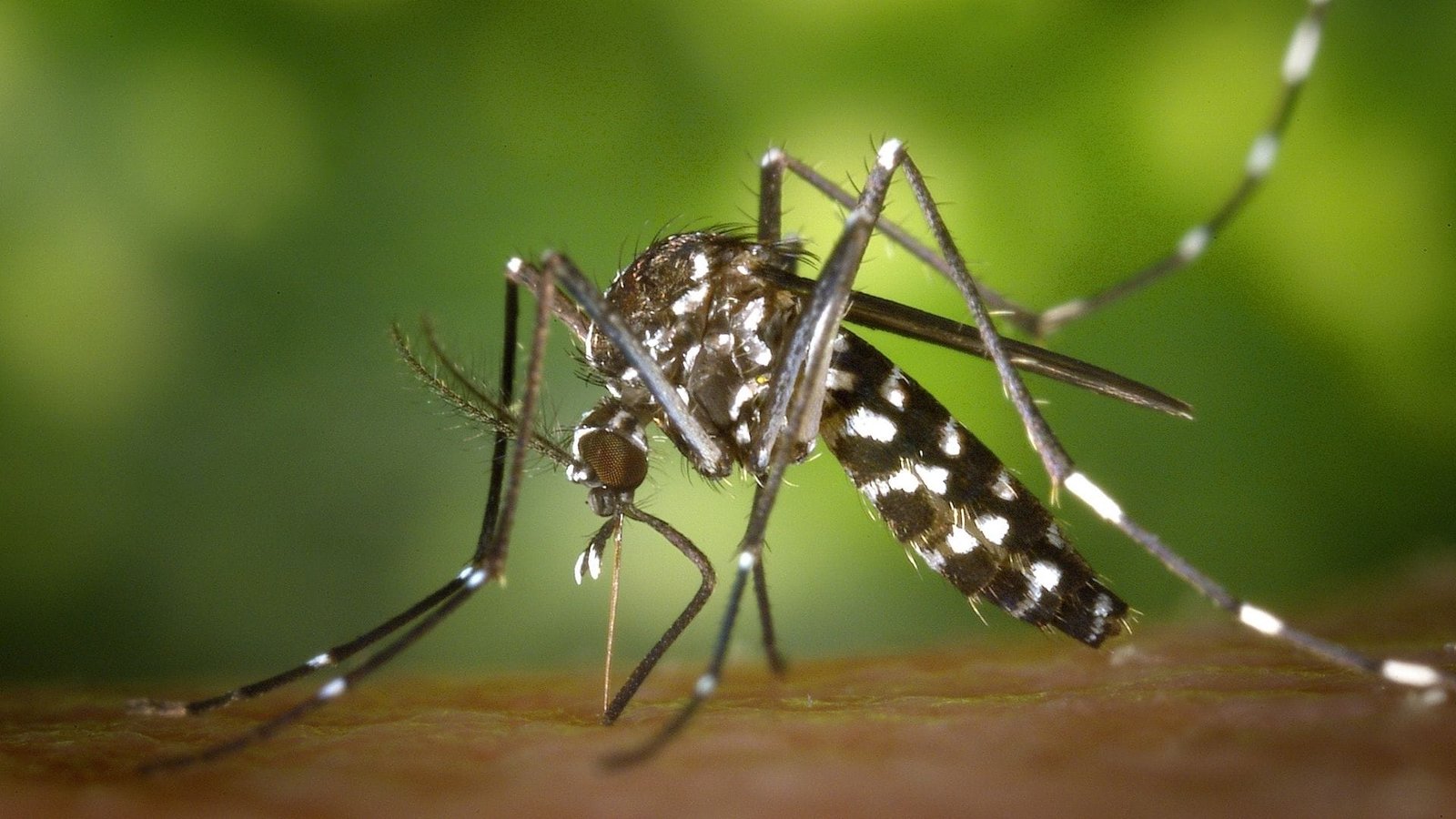
How to Keep Mosquitoes Out of Your Backyard
Nobody wants to step outside on a warm afternoon only to spend the next ten minutes swatting mosquitoes. These pests can quickly turn a pleasant backyard, barbecue or evening outdoors into an uncomfortable experience.
The good news is that how to keep mosquitoes out of your backyard is not just about spraying insect repellent. The most effective approach is to make your yard less attractive to mosquitoes in the first place.
That means removing standing water, keeping vegetation under control, improving drainage and protecting the areas where your family spends the most time. A few simple maintenance jobs can make a noticeable difference.
Here is how to reduce mosquito activity around your backyard and make your outdoor space more enjoyable.
Why Mosquitoes Are Attracted to Your Backyard
Mosquitoes need water to reproduce. Even surprisingly small amounts of stagnant water can provide suitable breeding conditions.
Common backyard sources include:
- Buckets and watering cans
- Plant saucers
- Children’s toys
- Wheelbarrows
- Bird baths
- Blocked gutters
- Uncovered water tanks
- Pool covers
- Outdoor containers
- Puddles
- Poorly draining areas
- Pet water bowls
Mosquitoes are also attracted to people because they detect carbon dioxide, body heat and other cues associated with humans.
You cannot eliminate every mosquito from a neighbourhood, but you can make your own backyard considerably less inviting.
Remove Standing Water
The single most useful backyard mosquito-control job is removing stagnant water.
Walk around your property after rain and look carefully for anything that collects water. You may find more than expected.
Empty containers, buckets and toys regularly. Turn items upside down when they are not being used so rain cannot collect inside them.
Pay particular attention to plant pots. A saucer underneath a pot can hold water for days after rainfall.
If you have containers that cannot easily be emptied, consider whether they can be covered, redesigned or removed.

Check Your Gutters
Blocked gutters deserve special attention.
Leaves and debris can prevent water from draining properly, creating damp areas where mosquitoes may breed. Clean gutters regularly and check that downpipes are draining correctly.
For homes where gutter cleaning requires working at height, use appropriate equipment or hire a professional rather than taking unnecessary risks.
Keep Bird Baths Clean
Bird baths can become mosquito breeding sites if the water is left undisturbed for too long.
Empty and clean the basin regularly, then refill it with fresh water.
Don’t simply top up old water. Emptying the basin removes water that may contain mosquito eggs or larvae.
The same principle applies to pet bowls and other outdoor water containers.
Maintain Your Pool Properly
A properly maintained swimming pool is generally a very different situation from a neglected pool.
Keep the water circulating and maintain the pool according to the manufacturer’s and relevant local recommendations.
Pool covers can also collect rainwater. After rainfall, inspect the cover and remove accumulated water where possible.
If your pool has become stagnant or has a serious maintenance problem, deal with it promptly rather than allowing it to remain neglected.

Improve Drainage Around the Yard
Persistent puddles are a sign that water is not draining properly.
Look for low areas where rainwater collects. Also check downpipe outlets, garden beds, paved areas and other locations where water tends to remain after rain.
Depending on the cause, you may be able to improve drainage by:
- Clearing blocked drains
- Redirecting downpipe discharge appropriately
- Filling minor depressions
- Improving soil drainage
- Removing debris
- Adjusting garden surfaces
- Installing suitable drainage systems
Don’t simply fill a drainage problem without understanding where the water is coming from. Redirecting water toward a neighbour’s property or building foundation can create a much bigger problem.
Keep Grass and Vegetation Under Control
Mosquitoes don’t necessarily need deep jungle-like vegetation, but overgrown areas can provide cool, sheltered resting places.
Keep lawns maintained and trim dense vegetation around frequently used outdoor areas.
Pay particular attention to:
- Dense shrubs
- Overgrown grass
- Weeds
- Thick ground cover
- Vegetation around outdoor seating
- Areas that remain damp and shaded
You don’t need to strip your garden bare. The goal is sensible maintenance that reduces excessively damp, sheltered areas.
Create More Air Movement
Mosquitoes are relatively weak fliers, which is one reason outdoor airflow can make an area less comfortable for them.
A fan positioned near an outdoor seating area can help create airflow around people.
This can be particularly useful on patios, verandas and covered entertaining areas where electricity is safely available.
Make sure outdoor electrical equipment is suitable for outdoor use and protected from moisture. Never improvise electrical connections or use indoor equipment where it is not designed for outdoor conditions.
Use Screens and Physical Barriers
If mosquitoes are consistently entering a covered entertaining area, physical barriers can be highly useful.
Screen doors, flyscreens and properly fitted outdoor screening can reduce the number of mosquitoes reaching the area.
Check screens for:
- Tears
- Holes
- Gaps around frames
- Damaged seals
- Poorly fitting doors
A tiny damaged section can be enough to allow insects through.
For a frequently used patio or outdoor room, improving screening may provide a more dependable long-term solution than repeatedly applying insecticide.
Use Mosquito Repellent Around Seating Areas
Repellents can provide another layer of protection, particularly when you’re sitting outside for an extended period.
Follow the product label carefully. Different repellents have different application instructions, and some are designed for use on skin while others are intended for clothing or outdoor areas.
Don’t assume that applying more product will provide better protection.
For children, always follow the age and application instructions on the product.
Be Careful With Mosquito Candles and Outdoor Products
Citronella candles and other mosquito-deterring products are popular for outdoor entertaining.
They may be useful as part of a broader strategy, particularly around a small seating area, but they should not be considered a substitute for removing mosquito breeding sites.
The bigger win is still eliminating stagnant water.
Never leave candles, burners or other heat-producing products unattended. Keep them away from curtains, plants and other combustible materials.
Choose Your Outdoor Lighting Carefully
Outdoor lighting isn’t usually the main reason mosquitoes are present, but lighting can influence the overall insect activity around an entertaining area.
Instead of focusing solely on mosquito-specific bulbs, concentrate first on reducing breeding sites and protecting the area where people sit.
Keep outdoor lights, fittings and surrounding areas clean and free from excessive cobwebs and debris.
If you’re changing outdoor electrical fittings, use a licensed electrician where required.
What Not to Do
Some backyard mosquito-control ideas sound appealing but can create new problems.
Avoid deliberately leaving containers of stagnant water around the property in the hope of attracting mosquitoes away from the house. You’re potentially creating a breeding site.
Don’t rely entirely on plants marketed as “mosquito repelling”. Some plants may have useful scents or properties, but simply planting them around your garden is unlikely to eliminate a mosquito problem.
Also avoid randomly combining chemicals or homemade mixtures. Household chemicals can damage plants, harm pets and create unsafe fumes.
A Simple Backyard Mosquito Checklist
If you’re wondering where to start, work through this quick checklist after rain:
| Area | What to Check | Action |
|---|---|---|
| Gutters | Leaves and trapped water | Clean and improve drainage |
| Plant pots | Full saucers | Empty regularly |
| Toys | Water trapped inside | Empty and store upside down |
| Bird bath | Old stagnant water | Empty and refresh |
| Pool | Circulation and cover | Maintain correctly |
| Lawn | Persistent puddles | Investigate drainage |
| Containers | Rainwater collection | Empty, cover or remove |
| Outdoor seating | High mosquito activity | Consider airflow and screening |
Doing this regularly is far more effective than waiting until mosquitoes become a major nuisance.
When You Should Call a Professional
Most basic mosquito-prevention tasks are suitable for homeowners, but some situations require professional help.
Consider getting professional assistance if you have:
- A significant mosquito infestation
- Persistent standing water you cannot eliminate
- Major drainage problems
- Damaged stormwater infrastructure
- Difficult roof or gutter access
- Large areas of neglected water
- Concerns about mosquito-borne disease
- A recurring problem despite removing obvious breeding sites
If you’re dealing with drainage, electrical work, roofing or another specialist problem, don’t turn mosquito control into a reason to take unnecessary DIY risks.
Frequently Asked Questions
What is the best way to keep mosquitoes out of your backyard?
The best starting point is removing standing water. Empty containers, clean gutters, maintain pools and prevent water from sitting in plant saucers, toys and other objects.
How often should I empty standing water?
Check your backyard regularly, especially after rainfall. Empty suitable containers as soon as practical rather than allowing water to remain stagnant.
Does mowing the lawn get rid of mosquitoes?
Mowing won’t eliminate mosquitoes, but keeping grass and vegetation maintained can reduce some of the cool, sheltered areas where adult mosquitoes rest.
Do mosquito-repelling plants really work?
Some plants have scents that may discourage insects in certain circumstances, but planting them alone is unlikely to solve a mosquito problem. Removing breeding sites is much more important.
Does a fan keep mosquitoes away?
Air movement can make it more difficult for mosquitoes to fly around an outdoor seating area. A suitable outdoor fan can therefore be useful as part of a broader mosquito-control strategy.
Can gutters cause mosquitoes?
Yes. Blocked gutters can hold stagnant water and potentially provide mosquito breeding conditions. Keeping gutters clean and draining correctly is an important part of backyard maintenance.
Why do I still have mosquitoes after removing standing water?
Mosquitoes can travel into your property from surrounding yards and other nearby breeding sites. Removing water on your own property reduces local breeding opportunities but cannot prevent every mosquito from entering.
When should I use professional mosquito control?
Professional help may be appropriate when mosquito activity is severe, persistent or associated with water or drainage problems that you cannot safely resolve yourself.
Final Thoughts
Learning how to keep mosquitoes out of your backyard starts with a surprisingly simple principle: don’t give them somewhere to breed.
Walk around your property regularly. Empty stagnant water. Clean gutters. Maintain pools and bird baths. Improve drainage where necessary and keep dense vegetation under control.
Then add practical protection around the areas where you spend the most time, such as screens, airflow and appropriate repellents.
You don’t need to make your backyard sterile. Good maintenance is the key. A few minutes spent checking for standing water after rain can prevent a much bigger mosquito problem later.