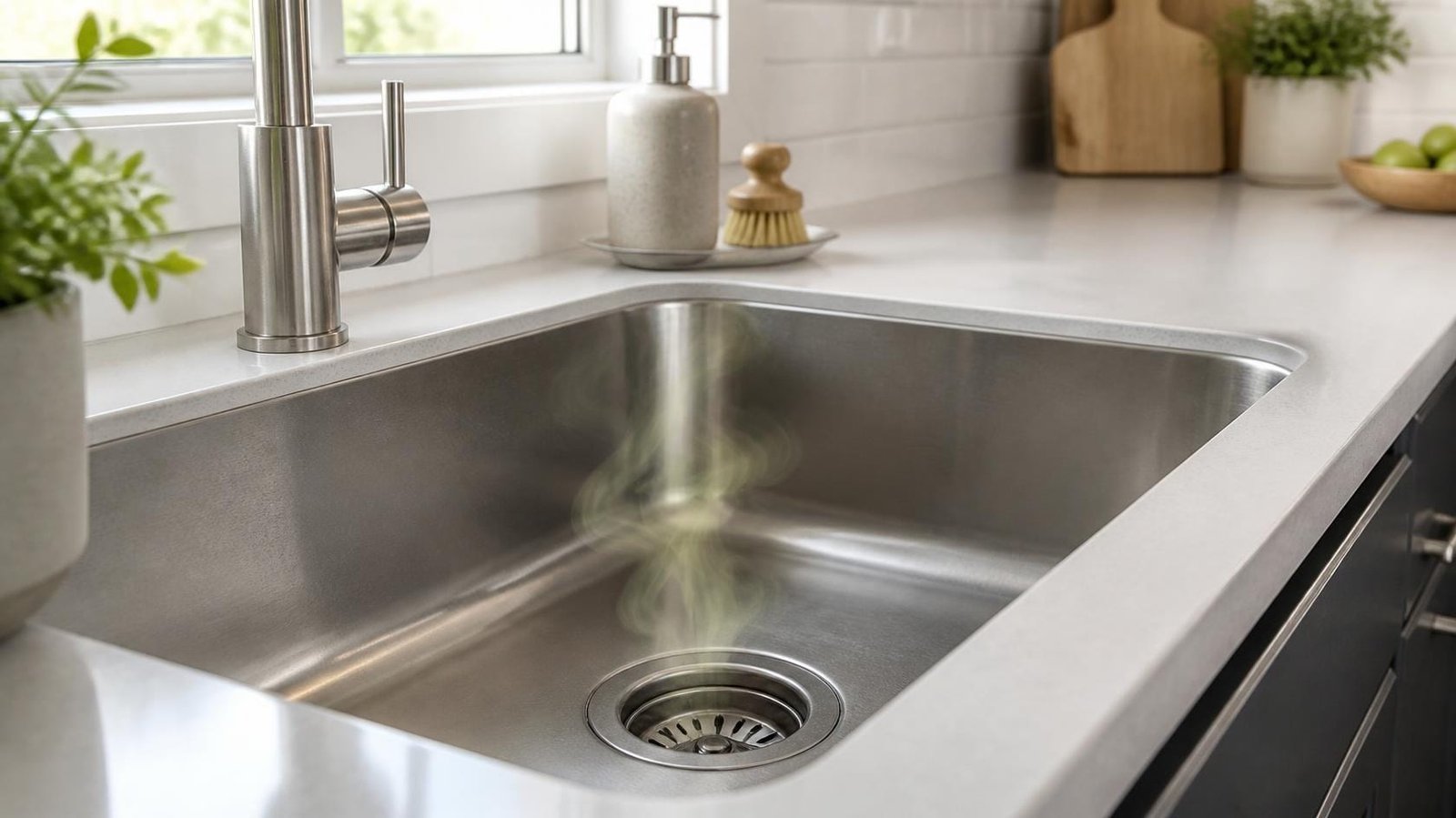
Why Does My Drain Smell Bad?
7 Common Causes and How to Fix Them
Have you noticed an unpleasant smell coming from your kitchen sink, bathroom basin, shower or floor drain? A bad-smelling drain can make an otherwise clean home feel unpleasant, but the cause is often something you can identify and fix yourself.
The most common reasons a drain smells bad include trapped food scraps, soap residue, hair, bacteria, a dry plumbing trap or a developing blockage. Sometimes, however, the smell can indicate a more serious plumbing or sewer problem.
The good news is that you don’t always need to call a plumber. With a few simple checks and some basic cleaning, you may be able to eliminate the odour and prevent it from returning. This guide explains why your drain smells bad, how to troubleshoot the problem step by step, and when it’s time to get professional help.
Why Does My Drain Smell Bad? Understanding the Causes
Before trying to remove the smell, work out where it’s coming from. Different drains develop unpleasant odours for different reasons, so identifying the cause will help you choose the right solution.
Here are seven common causes.
1. Food Scraps and Grease in Kitchen Drains
Kitchen sink drains regularly collect small amounts of food, cooking oil and grease. Over time, this material can build up inside the pipework and create a breeding ground for odour-producing bacteria.
You might notice a sour, rotten or musty smell, particularly when running water or using the sink.
What to do: Remove visible debris from the plughole and clean the sink strainer. If the drain is flowing normally, flush it with warm water and a little dishwashing liquid. Avoid pouring cooking grease down the drain, as it can accumulate and contribute to blockages.
2. Hair and Soap Scum in Bathroom Drains
Shower and bathroom basin drains often collect hair, soap residue, shampoo and skin oils. This mixture can form a sticky coating that traps debris and produces unpleasant smells.
A slow-draining shower is another clue that buildup may be present.
What to do: Remove the drain cover if it’s designed to be removed easily, then clear away accessible hair and debris. Use a suitable drain brush or plastic hair-removal tool, following the manufacturer’s instructions.
3. A Dry or Empty Plumbing Trap
One of the less obvious reasons a drain smells bad is a dry plumbing trap.
A plumbing trap is the curved section of pipe, or a similar trapped fitting, that holds water to block sewer gases from entering your home. Drains that aren’t used regularly can lose this water through evaporation.
This commonly happens in spare bathrooms, guest bathrooms, laundry areas and floor wastes.
What to do: Run water into the affected basin or shower for a short period. For a floor waste, slowly add enough water to replenish the trap. If the smell disappears, a dry trap may have been responsible.
If the odour returns quickly despite regular use, a plumber should check for a leaking trap, poor installation or another fault.
4. A Partially Blocked Drain
A partial blockage can trap organic material inside the pipework. As the material decomposes, it can produce a foul smell.
Look for warning signs such as water draining slowly, bubbling sounds, or unpleasant odours that become stronger after using the sink or shower.
What to do: Remove accessible debris and try a suitable plunger if the fixture and blockage are appropriate for plunging. Follow the product instructions and avoid forcing tools into the pipework.
If several drains are affected, or the blockage keeps returning, arrange a professional inspection.
5. Bacteria and Biofilm Inside the Drain
Even when water drains freely, a layer of organic residue can remain on the inside of the drain opening and nearby pipework. This sticky layer, often called biofilm, can contain microorganisms that contribute to unpleasant smells.
You may notice an odour without any obvious blockage.
What to do: Clean the accessible drain opening, plughole and removable strainer with warm water, detergent and a suitable brush. Rinse thoroughly.
Cleaning the visible surfaces is often more useful than simply pouring a deodorising product down the drain.
6. A Blocked or Faulty Plumbing Vent
Plumbing systems need ventilation to help maintain proper air pressure and allow sewer gases to escape safely through the intended vent system.
If a vent is obstructed or the plumbing system has a fault, you may notice gurgling drains, unusual odours or water being drawn out of a trap.
What to do: Pay attention to whether multiple fixtures are affected, especially when a toilet is flushed or another fixture releases water. These symptoms warrant a plumber’s assessment.
Do not climb onto your roof to inspect a plumbing vent unless you are appropriately equipped and trained. Roof access creates a serious fall risk.
7. A Sewer or Waste Pipe Problem
A damaged pipe, failed seal, defective trap or sewer connection problem can allow unpleasant gases to enter your home.
A strong sewage-like smell, particularly one that persists after cleaning, should not be ignored. The problem may be hidden behind a wall, beneath the floor or outside the house.
What to do: Stop trying different cleaning products and arrange a licensed plumber’s inspection. If sewage is backing up into the property, keep people and pets away from the affected area and seek urgent professional assistance.
How to Fix a Bad-Smelling Drain Step by Step
If only one drain smells and there are no signs of a major blockage or sewer problem, try these basic troubleshooting steps.
Step 1: Identify the Smelly Drain
Work out whether the smell is coming from the kitchen sink, bathroom basin, shower, laundry tub or floor waste.
Notice when the odour is strongest. Does it appear after running water? Is it worse after the room has been unused for several days? Does it affect multiple drains?
These details can help narrow down the cause.
Step 2: Remove Visible Debris
Put on rubber gloves and remove any accessible food scraps, hair or other debris from the drain opening.
Clean the strainer and the underside of the drain cover, where residue can accumulate. Dispose of the debris in the bin rather than pushing it further into the pipe.
Step 3: Clean the Drain Opening
Use warm water, ordinary dishwashing liquid and a suitable cleaning brush to remove grease and residue from accessible surfaces.
For bathroom drains, concentrate on removing hair and soap scum around the opening. For kitchen sinks, clean the strainer and the area beneath the plug.
Rinse thoroughly and check whether the odour improves.
Step 4: Refill an Infrequently Used Trap
If a spare bathroom or floor waste smells bad, slowly run or pour water into the drain to replenish the trap.
Allow a little time for the water to settle, then check whether the smell disappears.
If the drain is rarely used, periodically replenishing the trap can help prevent evaporation. If the smell persists, the trap may have another fault.
Step 5: Check the Drainage
Run water and observe how quickly it drains. Listen for gurgling and watch for water backing up.
If the water flows normally and the smell has disappeared, the problem may have been surface residue or a dry trap.
If drainage is slow, repeated plunging may not be appropriate, particularly if several fixtures are affected. A persistent blockage needs further investigation.
Step 6: Monitor the Result
Check the drain again over the next day or two.
If the odour returns quickly, don’t keep masking it with fragrances or drain deodorisers. Recurring smells can indicate a deeper buildup, a faulty trap or a ventilation problem.
Common Mistakes to Avoid
A few well-intentioned cleaning methods can make a drain problem worse.
- Mixing cleaning chemicals: Never mix bleach with vinegar, ammonia, acidic cleaners or other cleaning products. Dangerous gases or reactions can result.
- Using boiling water indiscriminately: Very hot water can damage some plumbing materials, seals and fixtures. Use warm water unless the manufacturer specifically recommends another temperature.
- Pouring grease down the sink: Grease can cool, solidify and contribute to blockages.
- Ignoring recurring smells: A drain that repeatedly smells like sewage needs investigation rather than constant deodorising.
- Using chemical drain cleaners as a first resort: These products can be hazardous and may damage some plumbing systems. Never combine them with other cleaners or use a plunger after applying them unless the product instructions explicitly permit it.
- Pushing debris further down the pipe: Remove accessible material rather than forcing it deeper into the plumbing.
Helpful Tips for Preventing Drain Odours
Prevention is usually easier than dealing with a foul-smelling drain.
- Clean kitchen sink strainers regularly and dispose of food scraps in the bin.
- Wipe greasy cookware with paper towel before washing it.
- Remove hair from shower drains before it accumulates.
- Clean accessible plugholes and drain covers as part of your normal bathroom cleaning routine.
- Run water periodically into infrequently used sinks, showers and floor wastes.
- Use drain covers where appropriate to catch hair and larger debris.
- Investigate slow drainage and gurgling before the problem becomes more serious.
Avoid pouring large quantities of oil, food waste or harsh chemicals into household drains. Good everyday habits help reduce buildup and make it easier to spot developing problems.
When Should You Call a Plumber?
Not every smelly drain requires professional attention, but some warning signs deserve prompt action.
Contact a licensed plumber if:
- Several drains smell bad at the same time.
- The odour resembles sewage and persists after basic cleaning.
- Water backs up into a shower, toilet or sink.
- Drains repeatedly gurgle or become blocked.
- The smell returns shortly after refilling a trap.
- You suspect a damaged pipe, failed seal or plumbing vent problem.
- You notice sewage leaks or unexplained damp patches near plumbing.
If you experience a strong sewer-gas smell throughout the home, leave the affected area if necessary and seek professional advice promptly. If the smell is unusually strong or you experience dizziness, headache, nausea or breathing difficulties, move into fresh air and seek appropriate medical or emergency assistance.
Do not use flames to investigate an odour, and avoid operating electrical switches if you suspect a significant accumulation of flammable gas.
For Australian homeowners, use a suitably licensed plumber where required by your state or territory. Plumbing and drainage work may be regulated, so check local requirements before attempting repairs.
Frequently Asked Questions
Why does my drain smell bad even when it’s clean?
A clean-looking drain can still contain residue inside the pipework. A dry plumbing trap, faulty seal, blocked vent or sewer-related problem can also cause unpleasant odours. If cleaning the accessible surfaces doesn’t help, investigate the cause rather than repeatedly using deodoriser.
Why does my kitchen sink smell like rotten eggs?
A rotten-egg smell may come from decomposing food residue or microorganisms associated with organic buildup. However, a sewage-like or sulphurous odour can also indicate a plumbing or sewer-gas problem. If it persists after cleaning the drain opening, contact a plumber.
Why does my bathroom drain smell like sewage?
Possible causes include a dry trap, a faulty seal, a blockage or a plumbing vent problem. Refill an infrequently used trap with water and clean accessible debris. If the smell remains or affects multiple fixtures, arrange a professional inspection.
Can baking soda and vinegar fix a smelly drain?
Baking soda and vinegar may loosen some surface residue, but the fizzing reaction does not reliably clear substantial blockages or repair plumbing faults. Warm water, detergent and physical removal of accessible debris are often more useful for routine cleaning. Never combine vinegar with bleach or other incompatible cleaners.
Why does my floor waste smell bad?
A floor waste can smell bad when its water trap dries out, particularly in an infrequently used bathroom or laundry. Slowly adding water may restore the barrier against sewer gases. If the smell continues or returns quickly, a plumber should check the trap and drainage system.
Why does my drain smell worse in hot weather?
Warm conditions can make some odours more noticeable, while infrequently used traps may lose water through evaporation. Organic residue can also contribute to unpleasant smells. Clean accessible buildup, replenish dry traps and investigate any persistent sewage-like odour.
Is a bad-smelling drain dangerous?
A mild odour from food residue or soap buildup is often a routine cleaning issue. However, persistent sewer-gas smells, sewage backups and strong unexplained odours can indicate a more serious problem. Avoid prolonged exposure to strong smells and seek professional help when the cause is uncertain.
How can I stop my drains from smelling bad permanently?
The best approach is to remove organic buildup, keep plumbing traps filled with water, prevent grease and debris entering drains, and address recurring drainage problems. There is no single permanent fix for every cause, so persistent odours need a proper diagnosis.
Final Thoughts
If you’re wondering why your drain smells bad, start with the simplest explanations: food scraps, hair, soap residue and a dry plumbing trap. Cleaning the drain opening, removing visible debris and replenishing an unused trap will often help with minor odour problems.
However, a smell that keeps returning, affects several drains or resembles sewage may indicate a plumbing fault that cleaning alone won’t solve.
Take a few minutes to identify the source, try the appropriate basic maintenance steps and watch for warning signs. Acting early can help keep your home smelling fresh and prevent a small drainage issue from becoming a larger repair.