Easy Backyard Landscaping Ideas on a Budget
Creating a better-looking backyard does not have to mean hiring a landscaper, buying expensive plants or completely redesigning the garden. With a little planning and some weekend DIY work, you can make a backyard feel more attractive, useful and welcoming without spending a fortune.
The best easy backyard landscaping ideas on a budget focus on making small improvements that have a noticeable visual impact. A defined garden bed, fresh mulch, a simple path, recycled materials or a few carefully chosen plants can completely change how an outdoor space looks.
You also do not need to tackle everything at once. Start with the area that bothers you most, work within a realistic budget and build from there. This approach keeps costs under control while allowing you to create a backyard that suits your home and lifestyle.
What Makes Budget Landscaping Work?
Good landscaping is not necessarily about spending more money. It is about using your available space and materials intelligently.
Before buying anything, walk around your backyard and look at it objectively. Identify areas that look bare, cluttered, untidy or difficult to use.
You may find that the garden simply needs:
- Weeding and pruning
- Fresh mulch
- Better-defined garden beds
- A small seating area
- New plants
- A simple pathway
- Improved edging
- Better outdoor lighting
- Removal of unnecessary clutter
A few inexpensive changes can often make a bigger difference than buying dozens of decorative items.
Tip: Set a maximum budget before you start. Divide it between plants, materials, tools and decorative features rather than spending everything on one area.
10 Easy Backyard Landscaping Ideas on a Budget
1. Create a Simple Garden Bed
One of the easiest ways to improve a backyard is to create a clearly defined garden bed.
Choose an unused section along a fence, beside a patio or around an existing tree. Mark the shape with a garden hose before digging. Curved edges can create a softer appearance, while straight lines tend to look neat and modern.
Remove weeds and unwanted grass, improve the soil if necessary and add suitable plants.
You do not need dozens of plants. A smaller number of well-positioned plants can look much better than a crowded garden.
Finish the bed with mulch to give it a tidy appearance and help retain soil moisture.
2. Use Mulch for an Instant Makeover
Fresh mulch is one of the simplest budget landscaping improvements.
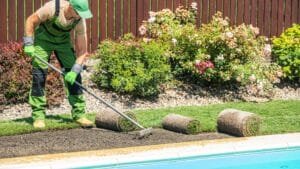
A layer of suitable organic mulch can make garden beds look cleaner and more finished almost immediately. Depending on the type used, mulch can also help conserve moisture and reduce weed growth.
Before adding it, remove existing weeds and water the soil if it is particularly dry.
Avoid piling mulch directly against tree trunks or plant stems. Leave a small gap around them to reduce the risk of moisture-related problems.
For larger areas, buying mulch in bulk may be more economical than purchasing numerous small bags.
3. Build a DIY Stepping-Stone Path
A simple garden path can make an ordinary backyard feel much more organised.
You can create an inexpensive stepping-stone path between the house, garden shed, clothesline, entertaining area or garden beds.
Lay the stones out first and experiment with spacing. Make sure the walking surface is stable and reasonably level before securing the stones.
For a more natural appearance, leave small gaps between stones and allow suitable groundcover or grass to grow around them.
The key is not to overcomplicate the design. A simple path is often all you need.
4. Give Old Garden Edging a New Purpose
Garden edging helps separate lawns from garden beds and gives the entire backyard a more organised appearance.
You can use commercially available edging, but there are also inexpensive options depending on your garden design and local conditions.
Existing bricks, suitable untreated timber or other durable landscaping materials may sometimes be repurposed.
Whatever material you choose, make sure it is safe, stable and appropriate for outdoor use.
A clean edge between lawn and garden bed can make even an inexpensive backyard look considerably more maintained.
5. Choose Low-Cost Plants Carefully
Plants can become one of the biggest landscaping expenses if you buy too many at once.
Instead, choose plants that suit your climate, soil, sunlight and available water.
Ask your local nursery about hardy plants that perform well in your area. Native plants can also be worth considering because many are well adapted to local conditions, although their water and maintenance requirements still vary.
Another budget strategy is to use smaller plants and allow them to grow into the space.
It takes longer, but your initial investment can be significantly lower.
Avoid buying a plant simply because it looks attractive at the nursery. A plant that is unsuitable for your backyard can become an expensive mistake.
6. Refresh an Existing Seating Area
You do not necessarily need to build a new deck or patio to make your backyard more enjoyable.
Look at what you already have.
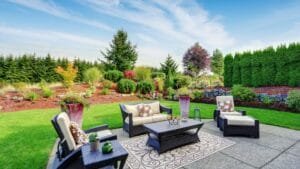
Could an old outdoor table be cleaned? Could outdoor furniture be rearranged? Could weeds be removed around a paved area? Could a simple outdoor rug or a few inexpensive cushions make the space more inviting?
Sometimes the landscaping problem is actually a layout problem.
Move furniture around and create a clear area where people can sit, eat or relax.
7. Add Solar Garden Lights
Solar garden lights can add atmosphere without requiring complicated electrical installation.
Use them to highlight a pathway, garden bed, seating area or attractive feature.
Rather than scattering lights randomly around the backyard, think about what you want them to achieve.
A few strategically positioned lights can look more effective than covering every available space.
Solar lights also avoid the need to run mains electrical cables through the garden, but outdoor electrical installations should always be handled safely and professionally where required.
8. Turn an Unused Corner Into a Feature
Most backyards have an awkward corner that gets ignored.
Instead of leaving it empty, turn it into a small feature.
You could create:
- A compact garden bed
- A seating nook
- A potted plant display
- A small herb garden
- A bird-friendly planting area
- A decorative gravel area
- A simple feature garden
The important thing is to match the project to the available space.
You do not need an expensive water feature or elaborate structure. A carefully arranged corner can become an attractive focal point with very little expenditure.
9. Use Pots and Containers
Container gardening is particularly useful when your backyard has poor soil or limited garden space.
Large pots can also be expensive, so look for practical containers that are suitable for outdoor use.
Group several containers at different heights to create visual interest.
You can grow herbs, flowers, vegetables or suitable shrubs depending on the size and location of the containers.
Remember that pots dry out faster than garden soil, particularly during hot weather. Choose plants and watering practices appropriate for your local conditions.
10. Tidy the Fence and Boundaries
A tired fence can make an otherwise attractive backyard look neglected.
You may not need to replace it.
Start by removing weeds and vegetation growing where it should not. Clean the surrounding area and repair minor problems where appropriate.
If the fence is suitable for painting or staining, refreshing its appearance can create a major visual change.
Always check whether permission or local requirements apply before painting, replacing or altering boundary fencing.
Common Budget Landscaping Mistakes to Avoid
The biggest mistake is trying to change everything at once.
A backyard renovation can quickly become expensive when you start buying plants, pavers, soil, mulch, furniture and decorative items without a clear plan.
Other common mistakes include:
- Buying plants without checking their mature size
- Choosing plants unsuitable for the local climate
- Underestimating soil preparation
- Creating paths without considering drainage
- Installing features that require more maintenance than expected
- Buying too many decorative items
- Ignoring existing plants that could be saved
- Forgetting to measure areas before purchasing materials
Another common problem is choosing the cheapest possible material without considering durability.
Cheap is not always budget-friendly. If something needs to be replaced every year, the long-term cost may be higher.
How to Save More Money on Backyard Landscaping
Start by reusing what you already own.
Old pots, bricks, containers, timber and garden furniture may have another useful life. You may also be able to propagate suitable plants or divide established perennials rather than purchasing everything new.
Buy materials according to the actual size of your project.
Measure garden beds, paths and other areas before shopping. This prevents you from buying too much material and gives you a much better idea of the real cost.
Another useful strategy is to complete landscaping in stages.
For example:
- Clean and remove unwanted vegetation.
- Define the garden layout.
- Improve the soil.
- Plant the main plants.
- Add mulch.
- Build paths or other features.
- Add furniture and finishing touches.
This makes the project easier to manage financially.
When You Should Call a Professional
DIY landscaping is suitable for many small backyard improvements, but some jobs require professional help.
Consider contacting a qualified professional if your project involves:
- Major retaining walls
- Significant changes to drainage
- Large-scale excavation
- Structural outdoor construction
- Electrical wiring
- Gas services
- Underground utilities
- Dangerous trees or large branches
- Significant erosion
- Major water-management problems
Never assume an underground service is absent simply because you cannot see it. Check before digging where necessary.
FAQs About Easy Backyard Landscaping Ideas on a Budget
What is the cheapest way to landscape a backyard?
Cleaning, weeding, pruning, defining garden beds and adding mulch can produce a significant improvement without a large investment. Reusing existing materials and choosing smaller plants can also reduce costs.
How can I make my backyard look expensive on a budget?
Keep the design simple and consistent. Clean edges, healthy plants, fresh mulch, a defined seating area and a few well-positioned lights can create a polished appearance without requiring expensive features.
What should I landscape first?
Start with the areas that create the biggest visual improvement. Usually this means removing weeds and clutter, improving garden beds and defining the main areas of the backyard.
Are native plants good for budget landscaping?
Native plants can be useful because many are adapted to local conditions, but suitability varies by species and location. Choose plants based on your particular climate, soil, sunlight and water availability.
Can I landscape a backyard myself?
Many small landscaping projects can be completed by homeowners with basic tools and careful planning. Larger structural, drainage, electrical or tree-related projects may require qualified professionals.
How can I landscape a backyard with no money?
Start with maintenance rather than new purchases. Weed garden beds, prune overgrown plants, clean paths and patios, rearrange existing furniture and reuse suitable materials. These changes can make a noticeable difference.
Is mulch worth using in a budget garden?
Mulch can improve the appearance of garden beds while helping with moisture retention and weed management. Choose an appropriate mulch and apply it correctly for the plants and conditions.
Final Thoughts
The best easy backyard landscaping ideas on a budget are not necessarily the most complicated ones.
A clean garden bed, fresh mulch, attractive edging, a few suitable plants and a simple seating area can transform an outdoor space without turning it into an expensive construction project.
Start small. Make a plan. Reuse what you can and spend money where it will have the greatest long-term benefit.
Most importantly, design the backyard around how you actually use it. A beautiful garden that is difficult to maintain will quickly become a chore. A simple, practical backyard that suits your lifestyle is far more likely to stay looking good.