Best Way to Mow a Lawn in Summer
How to Keep Your Grass Healthy
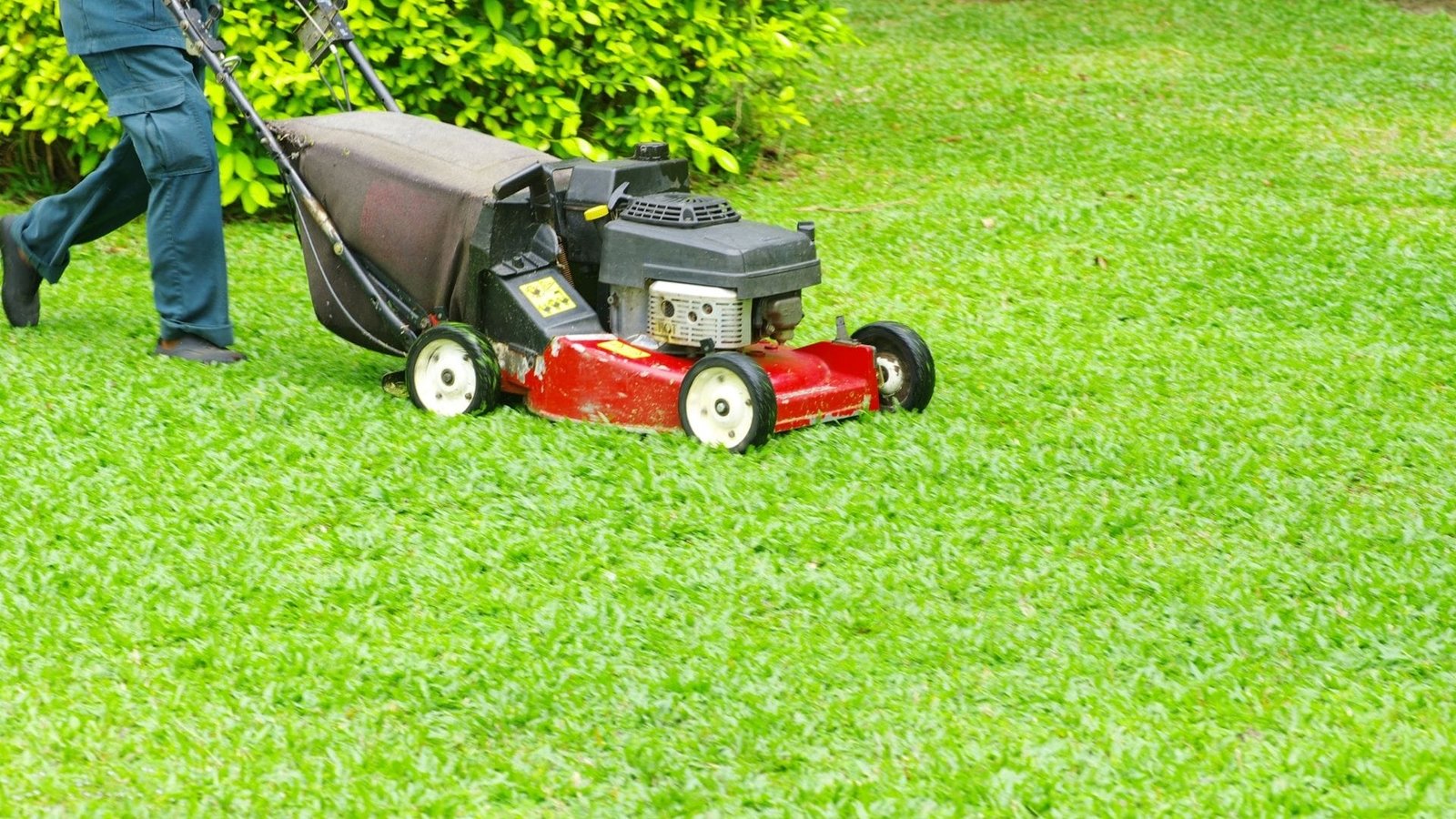
Mowing the lawn in summer is about more than simply cutting the grass when it gets too long. Hot weather, intense sunlight and dry soil can put considerable stress on your lawn, and mowing incorrectly can make those problems worse.
The best way to mow a lawn in summer is to keep the grass slightly longer, mow regularly without removing too much at once, keep your mower blade sharp and avoid cutting during the hottest part of the day.
A few simple changes to your mowing routine can help your lawn cope with summer conditions while keeping it looking neat and healthy.
Whether you have a small backyard lawn or a larger garden, these practical mowing tips can help you avoid scalping, brown patches and unnecessary stress on your grass.

What Is the Best Way to Mow a Lawn in Summer?
The best way to mow a lawn in summer is to raise your mower height, keep the blade sharp and avoid removing more than about one-third of the grass height in a single mowing session.
For many lawns, allowing the grass to remain slightly longer during hot weather helps shade the soil and protect the grass roots from excessive heat and moisture loss.
A good summer mowing routine includes:
- Mowing regularly rather than allowing grass to become extremely long
- Keeping the mower blade sharp
- Raising the cutting height
- Avoiding mowing during the hottest part of the day
- Never mowing severely stressed or drought-affected grass unnecessarily
- Removing as little leaf material as practical
- Keeping mower blades clean
- Varying your mowing direction
- Checking the lawn before mowing
The exact ideal height depends on the grass variety, climate and growing conditions, but summer is generally not the time to cut your lawn extremely short.

Why Should You Mow Grass Higher in Summer?
One of the biggest mistakes homeowners make in hot weather is cutting the grass too short.
A very short lawn may look tidy immediately after mowing, but it can leave the grass more vulnerable to heat and drying conditions.
Longer grass blades provide more leaf surface for photosynthesis and can help shade the soil beneath the lawn. That shade can reduce the amount of direct sunlight reaching the soil surface.
When grass is scalped too aggressively, the lawn may also become stressed and develop a thin, dry or brown appearance.
Follow the One-Third Rule
A useful general rule is to avoid removing more than one-third of the grass blade’s height at one time.
For example, if your lawn has become quite long, don’t immediately cut it down to your normal short setting.
Instead, gradually reduce the height over several mowing sessions.
This is particularly useful after periods of rain when grass can grow rapidly.
Choose the Right Time of Day to Mow
Timing can make a surprising difference to summer mowing.
Try to avoid mowing during the hottest part of the day, particularly on very hot afternoons.
Early morning can be a reasonable option, provided the lawn is not excessively wet. Late afternoon can also work once temperatures have started to fall.
However, avoid mowing wet grass whenever possible.
Wet grass can clog the mower, produce an uneven cut and leave clumps across the lawn. Walking and mowing repeatedly over saturated soil can also contribute to compaction.
A dry but reasonably cool period is generally easier on both you and the lawn.
Keep Your Mower Blade Sharp
A sharp mower blade is essential for a clean summer cut.
A blunt blade tends to tear and shred grass rather than cutting it cleanly. The damaged ends can give the lawn a rough, yellow or brown appearance.
A sharp blade produces a cleaner cut and can help your lawn recover more effectively.
Before mowing, inspect the blade if you can do so safely.
Always switch off the mower, disconnect the power source where applicable and follow the manufacturer’s instructions before inspecting or handling the blade.
If you are unsure how to sharpen or remove a mower blade safely, have the mower serviced by a qualified professional.
Don’t Cut a Dry, Stressed Lawn Too Aggressively
If your lawn is already showing signs of severe heat or drought stress, aggressive mowing can make the situation worse.
Look for signs such as:
- Brown or straw-coloured grass
- Grass blades that remain flattened
- Very dry soil
- Slow or stopped growth
- Footprints that remain visible
- Sparse patches
If the grass is barely growing, there may be little reason to mow frequently.
Instead, concentrate on appropriate lawn care and watering practices for your grass type and local conditions.
In areas with water restrictions, always follow your local water authority’s rules.
How High Should You Mow Your Lawn in Summer?
There isn’t one perfect mowing height for every lawn.
Different grass varieties have different preferred cutting heights. Warm-season grasses commonly grown in Australia can generally tolerate being maintained at a somewhat higher height during stressful summer conditions.
Your mower’s height settings should therefore be adjusted according to the grass variety rather than simply choosing the lowest setting.
As a general approach, raise the mower slightly during hot, dry periods rather than cutting the lawn extremely short.
If you don’t know what type of grass you have, identify it before making major changes to your mowing routine.
A local lawn-care professional or garden centre may be able to help identify the variety.
Step-by-Step: How to Mow Your Lawn Properly in Summer
1. Check the Lawn
Walk around the lawn before starting.
Look for:
- Sticks
- Stones
- Toys
- Hoses
- Garden tools
- Animal waste
- Other objects
Remove anything that could damage the mower or become a dangerous projectile.
2. Check the Mower
Make sure the mower is in good working condition.
Check the blade, wheels, catcher and safety equipment according to the manufacturer’s instructions.
Make sure the cutting height is appropriate for summer conditions.
3. Start With a Higher Setting
If you normally cut your lawn very short, raise the mower setting for summer.
Avoid suddenly removing a large amount of grass.
4. Mow Slowly and Methodically
Don’t rush.
Move at a steady pace and allow the mower to cut properly.
If the mower struggles, bogs down or leaves large amounts of grass behind, the lawn may be too long, wet or thick for the current setting.
5. Change Your Mowing Direction
Try not to mow in exactly the same direction every time.
Alternating your mowing pattern can help prevent grass from becoming permanently flattened in one direction.
For example, mow horizontally one week and vertically the next.
6. Deal With Clippings Properly
If you’re using a mulching mower and conditions are suitable, fine clippings can remain on the lawn.
They can return nutrients to the soil as they break down.
However, don’t leave heavy piles of wet grass sitting across the lawn.
Large clumps can block sunlight and airflow and create unsightly patches.
Common Summer Lawn-Mowing Mistakes
Cutting the Lawn Too Short
This is one of the most common mistakes.
A short lawn isn’t automatically a healthier lawn. Cutting too aggressively can leave the grass vulnerable to heat and dry conditions.
Mowing at the Hottest Time of Day
Mowing in extreme heat can place additional stress on the lawn and make the job unnecessarily unpleasant for you.
Choose a cooler part of the day where practical.
Using a Blunt Blade
A blunt blade can tear grass rather than cutting it cleanly.
Regularly inspect and maintain your mower according to the manufacturer’s instructions.
Removing Too Much Grass
If the lawn has become overgrown, don’t try to cut everything down in one pass.
Raise the mower and gradually reduce the height.
Mowing Wet Grass
Wet grass can stick to mower components, clog the deck and produce an uneven cut.
Wait until conditions are suitable.
Mowing During Drought Stress
If the grass has stopped growing because of severe heat or lack of moisture, frequent mowing may do more harm than good.
How Often Should You Mow in Summer?
There is no universal mowing schedule.
Your mowing frequency should depend on:
- Grass variety
- Rainfall
- Irrigation
- Temperature
- Soil condition
- Lawn growth rate
- Fertiliser use
A fast-growing lawn may require weekly mowing during favourable conditions, while a drought-stressed lawn may require considerably less frequent mowing.
Rather than mowing according to a strict calendar, look at the grass itself.
When the lawn has grown enough to require cutting while still being healthy and actively growing, it is generally time to mow.
Helpful Tips for a Healthier Summer Lawn
Small changes can make your mowing routine much easier.
Keep your mower maintained. A clean, properly maintained mower performs better.
Don’t ignore the blade. Sharp blades make a noticeable difference to cut quality.
Avoid scalping. Keep more leaf area during hot conditions.
Mow before the lawn becomes excessively long. Removing small amounts regularly is easier than performing a major cut.
Keep mower wheels at the same height. Uneven settings can produce an unattractive, patchy cut.
Watch the weather. Avoid mowing immediately before heavy rain when possible.
Vary your mowing pattern. This can help prevent repetitive wheel tracks and grass flattening.
Clean the mower after use. Remove accumulated grass from the mower safely according to the manufacturer’s instructions.
What Should You Do If Your Lawn Turns Brown After Mowing?
A lawn turning brown after mowing can have several causes.
The mower may have been set too low, particularly if a large amount of grass was removed at once.
The grass may also already have been suffering from heat, drought, poor soil conditions or other stress.
Check the lawn carefully rather than assuming mowing is the only problem.
If the grass was cut extremely short, allow it time to recover and avoid repeatedly cutting it down further.
Check local watering requirements and restrictions before irrigating.
If large areas remain brown or deteriorate rapidly, consider getting advice from a qualified lawn-care professional or horticulturist to identify the underlying problem.
When Should You Call a Professional?
Most routine lawn mowing is a straightforward DIY job, but some situations deserve professional help.
Consider getting professional advice if:
- You cannot identify a serious lawn disease or pest problem
- Large sections of lawn are dying unexpectedly
- Your lawn has significant drainage problems
- The soil is severely compacted
- You have major irrigation problems
- Your mower requires mechanical repairs you cannot safely perform
- You need specialist advice about lawn renovation
For electrical mower repairs, petrol-engine problems or other mechanical faults, follow the manufacturer’s safety instructions and use a qualified repair technician when necessary.
Summer Lawn Mowing FAQs
What is the best way to mow a lawn in summer?
The best approach is to mow regularly, keep the mower blade sharp, avoid cutting more than about one-third of the grass height and use a slightly higher cutting setting during hot conditions.
Should I cut my grass shorter in summer?
Generally, cutting grass extremely short during hot weather is not recommended. Leaving appropriate leaf height can help the lawn cope with heat and dry conditions.
Is it better to mow in the morning or afternoon?
A cooler part of the day is generally preferable to the hottest period. Avoid mowing excessively wet grass in the morning and follow local weather conditions.
Should you mow a lawn when it is very dry?
If the grass is severely stressed and barely growing, frequent mowing may not be necessary. Avoid aggressive cutting and focus on appropriate lawn-care practices.
How often should I mow my lawn in summer?
Mow according to growth rather than a fixed schedule. Fast-growing lawns may need weekly mowing, while drought-stressed lawns may need considerably less frequent cutting.
Is it OK to leave grass clippings on the lawn?
Fine clippings can be left on the lawn when using a suitable mulching mower and when they are distributed evenly. Avoid leaving thick piles or wet clumps across the grass.
Does mowing too short damage grass?
Mowing too short can stress grass and leave the soil more exposed to heat and drying. It can also contribute to a thin or unhealthy-looking lawn.
Should I sharpen my mower blade for summer?
Yes. A sharp blade produces a cleaner cut than a blunt blade. Inspect and maintain the blade according to your mower manufacturer’s safety instructions.
Final Thoughts
The best way to mow a lawn in summer is surprisingly simple: don’t fight the weather.
Raise the mower height when conditions are hot, avoid removing too much grass at once, keep your blade sharp and mow when conditions are suitable.
Most importantly, pay attention to the lawn itself. A healthy, actively growing lawn can tolerate regular mowing, while grass already struggling with heat or drought needs a gentler approach.
Good summer mowing isn’t about creating the shortest, neatest lawn possible. It is about maintaining the right balance between appearance, growth and lawn health.