Common Plumbing Problems Homeowners Face
Causes and Practical Fixes
Plumbing problems can turn an ordinary day into an expensive headache. A dripping tap wastes water, a blocked drain makes everyday tasks frustrating, and a running toilet can quietly increase your water bill. The good news is that many common plumbing problems homeowners face have straightforward causes, and some can be fixed with basic tools and a little patience.
Knowing what to look for helps you decide whether a problem is safe to tackle yourself or whether you need a licensed plumber. In this guide, we’ll cover the most frequent household plumbing issues, explain why they happen, and walk through practical solutions that can help you prevent further damage.
Whether you’re maintaining an older Australian home or dealing with a problem in a newer property, understanding your plumbing system can save you time, money and unnecessary stress.

What You Need to Know About Common Plumbing Problems Homeowners Face
Most household plumbing issues fall into a few familiar categories: leaks, blockages, pressure problems, faulty fittings and drainage issues.
Some develop gradually. A tap may drip for weeks before you notice how much water is being wasted. Others appear suddenly, such as a burst pipe or an overflowing toilet.
Understanding the difference between a minor maintenance issue and a serious plumbing fault is essential.
| Plumbing problem | Common cause | Typical response |
|---|---|---|
| Dripping tap | Worn washer, cartridge or seal | Replace the faulty component if suitable |
| Blocked drain | Hair, grease, soap residue or debris | Remove accessible debris and clean the drain |
| Running toilet | Faulty inlet valve or flush seal | Inspect and replace the faulty part |
| Low water pressure | Blockage, faulty fitting or supply issue | Check accessible fittings and investigate further |
| Leaking pipe | Loose joint, damaged seal or corrosion | Isolate the water supply if necessary |
| Slow-draining sink | Partial blockage | Clean the plughole and accessible trap |
| No hot water | Hot-water system fault | Check safe external controls and call a technician if needed |
A useful rule: If a problem involves a major leak, concealed pipes, sewage, gas or a hot-water system fault, avoid experimenting with repairs. A qualified professional can identify the cause without creating a bigger problem.
1. Dripping Taps and Leaking Faucets
A dripping tap is one of the most common plumbing problems homeowners face. That constant plink, plink, plink can become irritating, especially at night.
The cause often depends on the type of tap. Traditional taps may have worn washers, while modern mixer taps commonly use replaceable cartridges or seals.
How to fix a dripping tap
-
Identify the affected tap. Check whether the leak comes from the spout, handle or base.
-
Turn off the water supply. Use the isolation valve beneath the sink if fitted, or the appropriate household shut-off valve.
-
Open the tap briefly. Release remaining pressure and drain the water.
-
Inspect the fitting. Look for a worn washer, damaged seal or faulty cartridge, following the manufacturer’s instructions.
-
Replace the faulty component. Use a compatible replacement and avoid overtightening parts.
-
Restore the water supply slowly. Check for leaks and confirm that the tap operates correctly.
If you’re unfamiliar with dismantling the tap, take a photo of the fitting and seek advice before removing components.
A leak around the handle or beneath the sink may require a different repair from a dripping spout.
Prevention tip: Avoid forcing stiff tap handles. Excessive pressure can damage internal components and shorten the fitting’s lifespan.
2. Blocked Drains and Slow-Draining Sinks
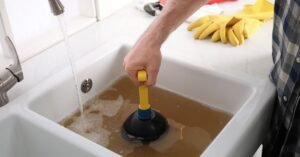
A slow-draining sink usually means water is struggling to pass through the waste pipe. Hair, soap residue and grease are frequent culprits.
Bathroom drains commonly collect hair and soap scum, while kitchen sinks often become clogged with cooking fats and food particles.
How to clear a minor drain blockage
-
Remove visible debris from the plughole using gloves.
-
Clean the plughole strainer or removable drain cover.
-
If appropriate, use a sink plunger according to its instructions. Ensure there is enough water to cover the plunger’s rim and create a seal.
-
If the blockage persists, inspect an accessible waste trap only if you are comfortable doing so. Place a bucket underneath first.
-
Reassemble the fittings carefully and check for leaks while running water.
Avoid pouring cooking oil or grease down the kitchen sink. Wipe greasy cookware with paper towels before washing it.
Boiling water isn’t a universal solution. It may damage certain plastic pipes, seals or delicate fixtures. Follow the pipe and drain manufacturer’s recommendations.
Important safety warning: Never mix chemical drain cleaners with each other, bleach or other cleaning products. Dangerous reactions can occur. If a chemical cleaner has already been used, tell the plumber before they work on the drain.
If several drains are slow at once, or wastewater backs up into a shower or floor drain, the blockage may be deeper in the drainage system. Contact a licensed plumber.
3. Toilets That Keep Running
A toilet that continues running after flushing can waste water and make an annoying hissing or trickling noise.
The problem commonly involves the inlet valve, the flush valve seal or the float mechanism inside the cistern.
What you can check yourself
-
Remove the cistern lid carefully, if it is safe and accessible.
-
Flush the toilet and observe whether the water stops at the correct level.
-
Check whether the float is obstructed or set incorrectly.
-
Look for a damaged flush seal or visible deterioration.
-
Consult the manufacturer’s instructions before adjusting or replacing components.
If the toilet’s water supply has an accessible isolation valve, you may be able to turn it off while waiting for a repair.
Avoid forcing plastic components, which can crack with age. If water continues entering the overflow or the mechanism is unfamiliar, a plumber can replace the faulty parts.
Prevention tip: Don’t use in-cistern cleaning tablets unless the toilet manufacturer confirms they are suitable. Some products can damage rubber seals and internal components.
4. Low Water Pressure
Low water pressure makes showers disappointing, slows down filling sinks and can affect everyday household tasks.
However, weak flow doesn’t always mean the entire home has a pressure problem. Sometimes the cause is limited to one fitting.
Start with these checks
-
One tap affected: Inspect the outlet for visible mineral deposits or a blocked aerator.
-
One shower affected: Check the showerhead for scale buildup and follow the manufacturer’s cleaning instructions.
-
Several taps affected: Ask whether other household members have noticed the problem and check for any known supply interruptions.
-
Sudden pressure loss: Look for obvious signs of leakage, such as damp patches, unexplained water sounds or unusually wet ground outdoors.
In Australia, water pressure can vary depending on the property, local supply conditions, plumbing design and pressure-regulating equipment.
If the pressure drops suddenly throughout the house, contact your water provider or a licensed plumber to investigate.
Do not adjust a pressure-limiting valve or dismantle plumbing fittings unless you are qualified to do so. A pressure problem can also be caused by corroded pipes or a concealed leak.
5. Leaking Pipes and Water Connections
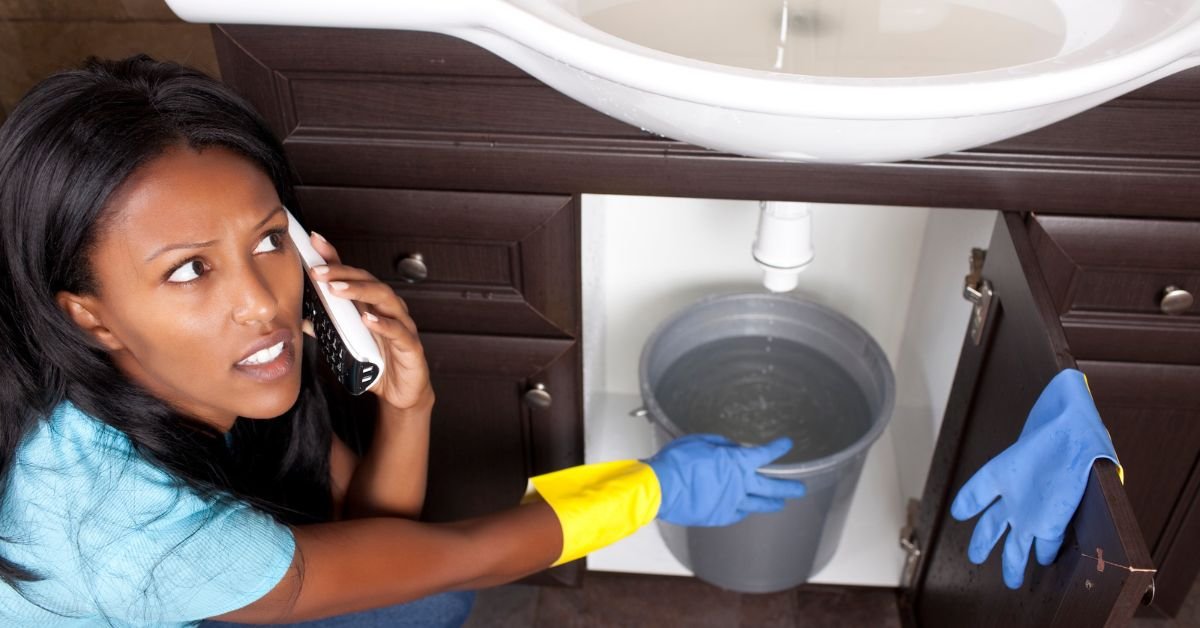
A leaking pipe deserves prompt attention. Even a small leak beneath a kitchen sink can damage cabinetry, flooring and nearby walls if it continues unnoticed.
Common causes include deteriorated seals, loose connections, corrosion and damaged pipework.
What to do when you discover a leak
-
If the leak is minor and accessible, place a container underneath to catch dripping water.
-
Move belongings away from the affected area.
-
Turn off the relevant isolation valve if you can identify it safely.
-
If the leak continues, use the main water shut-off valve if accessible and appropriate.
-
Contact a licensed plumber for repairs, particularly if the pipe is concealed, corroded or damaged.
Don’t assume tightening a connection will solve everything. Overtightening can damage fittings, and some leaks originate from a failed seal rather than a loose joint.
If water is near electrical outlets, appliances or switchboards, keep clear and do not touch wet electrical equipment. Have the electrical hazard assessed by a licensed electrician.
For significant water leaks, act quickly. The sooner the source is controlled, the lower the risk of expensive water damage.
6. Leaking Showerheads and Shower Fixtures
A showerhead that drips after the shower is switched off may simply be releasing water remaining inside it. However, persistent dripping can indicate a worn mixer cartridge, faulty seal or another plumbing issue.
Start by cleaning mineral deposits from the showerhead if the manufacturer permits it. Check that the shower controls close properly without excessive force.
If water continues dripping for an extended period, particularly when the shower has not been used, arrange an inspection.
Leaks behind shower walls or beneath tiled floors need particular attention. Warning signs include loose tiles, deteriorating grout, damp adjoining walls or a persistent musty smell.
Don’t rely on regrouting alone to repair a concealed plumbing leak. A plumber may need to identify the source before damaged waterproofing or building materials can be addressed.
7. Hot-Water Problems
Few household plumbing problems are more inconvenient than stepping into a cold shower.
Possible causes include a tripped electrical circuit, a faulty heating element, a gas supply issue, a failed thermostat or a problem with the hot-water system itself.
You can safely check whether other taps also lack hot water and consult the manufacturer’s user instructions for basic external controls.
However, don’t remove covers, open gas components or attempt internal electrical repairs. Hot-water systems can involve electricity, gas, pressurised water and scalding temperatures.
If you notice a gas smell, leave the affected area and contact the appropriate emergency gas service from a safe location. Don’t operate electrical switches near a suspected gas leak.
A licensed plumber or appropriately qualified hot-water technician can diagnose the fault and advise whether repair or replacement is the better option.
Common Plumbing Mistakes Homeowners Should Avoid
A small plumbing problem can become an expensive repair when the wrong approach is used. Keep these common mistakes in mind.
-
Using excessive force: Tightening taps, nuts and plastic fittings too much can cause cracks or damage seals. Use the correct tool and follow the manufacturer’s guidance.
-
Ignoring small leaks: A slow drip can damage cabinetry, flooring and wall linings over time. Investigate leaks promptly.
-
Pouring grease down drains: Cooking fats can accumulate inside pipes. Wipe greasy pans before washing them.
-
Mixing drain chemicals: Never combine drain cleaners or mix them with bleach. Follow the product label and seek professional help if a blockage persists.
-
Attempting dangerous repairs: Gas work, electrical work and many regulated plumbing jobs require qualified professionals in Australia.
-
Assuming every blockage is local: If several fixtures drain slowly, the problem may involve the main drainage system rather than an individual plughole.
Helpful Tips for Preventing Plumbing Problems
Regular maintenance can help you catch faults before they become major repairs.
Use suitable drain strainers to catch food scraps and hair. Empty them regularly instead of allowing debris to wash into the pipes.
Occasionally check visible pipes, valves and connections for moisture, corrosion or water stains. Don’t overlook the cabinet floor.
Listen for continuous running and look for unexplained water movement in the bowl. Investigate problems rather than letting them continue.
Learn how to locate your main water isolation valve. In an emergency, knowing where it is can help limit water damage.
You can also monitor your water bills. An unexplained increase may indicate a hidden leak, although changes in household water use and billing periods can also affect the amount.
When Should You Call a Licensed Plumber?
DIY repairs are suitable for some minor maintenance tasks, but not every plumbing issue is safe or appropriate to tackle yourself.
Contact a licensed plumber when:
-
A pipe bursts or a significant leak develops.
-
Water is leaking inside walls, ceilings or under floors.
-
Several drains are blocked or wastewater is backing up.
-
Water pressure suddenly drops throughout the house.
-
A hot-water system develops a serious fault.
-
Pipes are corroded, damaged or repeatedly leaking.
-
You suspect a sewer problem or a damaged underground pipe.
-
A repair requires regulated plumbing work.
Australian plumbing licensing requirements vary by state and territory. In NSW, for example, plumbing and drainage work is subject to licensing requirements, so check the applicable rules before undertaking repairs.
If you suspect a gas leak, prioritise immediate safety rather than troubleshooting the appliance yourself.
The cost of a professional visit can be far less than repairing damage caused by an unsuccessful DIY attempt.
Frequently Asked Questions
What are the most common plumbing problems homeowners face?
The most common issues include dripping taps, blocked drains, running toilets, low water pressure, leaking pipes, faulty shower fixtures and hot-water problems.
What plumbing problems can I fix myself?
Depending on your skills and local regulations, you may be able to clean an accessible drain strainer, remove debris from a plughole, clean a compatible showerhead or replace certain tap components. Always isolate the water supply where necessary and follow manufacturer instructions.
Why do my drains keep getting blocked?
Repeated blockages may result from hair, grease, soap residue, unsuitable items entering the drain or a deeper problem in the pipework. If cleaning the accessible drain doesn’t solve the issue, have a plumber investigate.
How can I tell if I have a hidden water leak?
Look for unexplained water bills, damp patches, peeling paint, swollen cabinetry, persistent musty smells or water sounds when fixtures aren’t being used. These signs can have other causes, so arrange an inspection if you suspect a leak.
Why is my water pressure suddenly low?
Possible causes include a supply interruption, a faulty valve, a blockage, damaged pipework or a leak. If several taps are affected at once, check for known supply issues and contact your water provider or a licensed plumber.
Is a dripping tap an emergency?
A minor drip is not usually an emergency, but it should be repaired promptly. If the leak becomes substantial, cannot be controlled or threatens electrical equipment or building materials, take appropriate safety measures and seek professional assistance.
How often should I inspect my home’s plumbing?
A quick visual inspection every few months is a useful habit. Check under sinks, around toilets, near visible pipe connections and around the hot-water system. Follow manufacturer maintenance schedules and arrange professional inspections when needed.
When should I turn off the main water supply?
Turn it off when a significant leak cannot be controlled using a local isolation valve, or when doing so is necessary to prevent further damage. Make sure you know how to access the valve before an emergency occurs.
Final Thoughts
The best way to manage common plumbing problems homeowners face is to recognise the early warning signs and respond before minor faults become expensive repairs.
A dripping tap, slow drain or running toilet may have a simple explanation. Regular inspections, sensible maintenance and careful DIY work can help keep your plumbing in good condition.
However, knowing when to stop is just as valuable as knowing how to start. If the fault involves concealed pipes, sewage, gas, major leaks or regulated plumbing work, call a qualified professional.
A safe repair is always better than a costly shortcut.