Best Plants for Low Maintenance Gardens
Easy Choices for Busy Homeowners
A beautiful garden does not have to become a second job. If you want an attractive outdoor space without spending every weekend mowing, pruning, watering and fighting weeds, choosing the right plants is one of the smartest things you can do.
The best plants for low maintenance gardens are generally hardy, suited to your local climate and able to cope with periods of dry weather once established. Native plants can be particularly useful because many are naturally adapted to Australian conditions.
The key is not simply buying plants labelled “easy care”. You need to match plants with the amount of sunlight, soil, rainfall and space available in your garden.
Here are some reliable plant choices and practical tips for creating a garden that looks good without demanding constant attention.
What Makes a Garden Plant Low Maintenance?
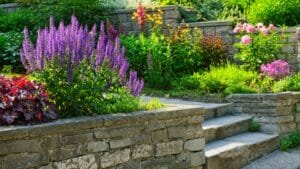
A low-maintenance plant should do more than simply survive. Ideally, it should require relatively little watering, pruning, fertilising or pest control once established.
Look for plants with several of these characteristics:
- Good drought tolerance
- Resistance to common pests and diseases
- Slow or moderate growth
- Minimal pruning requirements
- Adaptability to your soil
- Tolerance of Australian weather conditions
- Ability to thrive without constant fertilising
- Long-lasting foliage or flowers
Choosing plants that naturally suit your conditions is often more important than choosing a particular species.
For example, a plant that thrives in full sun and dry soil may be extremely easy to maintain in one garden but struggle badly in a shaded, damp garden.
Best Plants for Low Maintenance Gardens
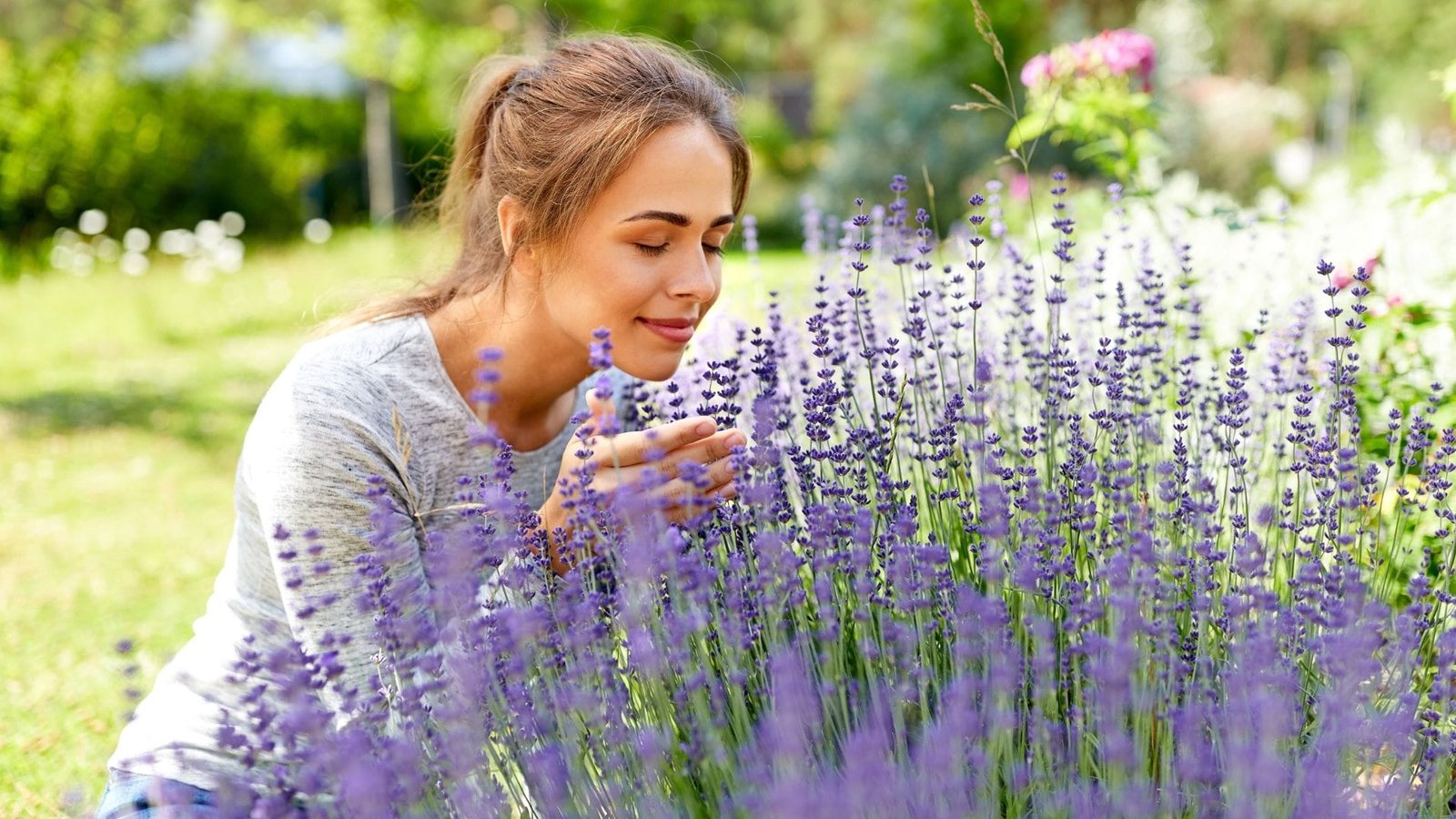
1. Lavender
Lavender is one of the classic choices for an easy-care garden.
It enjoys plenty of sunlight and reasonably well-drained soil. Once established, many lavender varieties can tolerate relatively dry conditions.
The grey-green foliage also provides interest when the plant is not flowering, while the flowers can attract bees and other beneficial insects.
Avoid planting lavender in constantly wet soil. Poor drainage is one of the easiest ways to turn an otherwise hardy plant into a maintenance problem.
A light trim after flowering can help keep the plant compact, but avoid continually cutting into old woody growth.

2. Lomandra
For Australian gardens, lomandra is particularly useful.
These tough native grasses are available in a range of sizes and foliage colours. They can work well as borders, mass plantings or feature plants.
Lomandra generally handles heat and dry conditions well once established and can cope with a variety of soil types.
Another advantage is its relatively low pruning requirement. If an older plant becomes untidy, it can often be cut back hard and allowed to regenerate.
For homeowners who want greenery without constant attention, lomandra is well worth considering.
3. Rosemary
Rosemary is both attractive and useful.
Its evergreen foliage provides year-round interest, while the leaves can be used in cooking. Rosemary prefers sun and well-drained soil and generally dislikes constantly wet roots.
It can be grown as a small shrub, informal hedge or container plant.
Regular harvesting can help keep it tidy, although established plants usually do not require intensive pruning.
Plant rosemary somewhere sunny where you can easily reach it when cooking.
4. Agapanthus
Agapanthus can provide striking foliage and tall clusters of flowers with relatively little ongoing work.
It is useful for borders, garden beds and areas where you want strong visual impact without planting lots of delicate flowers.
However, homeowners should choose varieties carefully and check local environmental guidance. Some agapanthus can spread beyond where they are wanted.
Remove spent flower heads before seeds develop if necessary, and keep plants contained where appropriate.
5. Westringia
Westringia, commonly known as coastal rosemary, is another excellent Australian native option.
Despite its common name, it is not the same plant as culinary rosemary.
Westringia produces attractive grey-green foliage and can be useful as a low hedge, screening plant or rounded shrub. It generally tolerates sun and dry conditions once established.
Its naturally neat growth habit can reduce the amount of pruning required compared with fast-growing hedging plants.
6. Bird of Paradise
Bird of Paradise can make a strong architectural statement in a garden.
Its large leaves and distinctive flowers provide plenty of visual interest, making it useful when you want a feature plant rather than a garden filled with dozens of different species.
It generally prefers warmth, sunlight and reasonable drainage.
Give it enough room to reach its mature size. Planting large-growing specimens too close to paths, windows or structures creates unnecessary pruning later.
That is an important low-maintenance gardening principle: plan for the mature plant, not the size it is when you buy it.
7. Succulents
Succulents are excellent choices for homeowners who want to reduce watering.
Their ability to store water makes many varieties well suited to dry conditions, provided they are planted in appropriate soil.
They are particularly useful in:
- Sunny garden beds
- Rock gardens
- Containers
- Courtyards
- Small urban gardens
- Decorative borders
Good drainage is essential. Many succulents struggle when their roots remain wet for extended periods.
8. Native Grasses
Native grasses can create texture and movement without requiring the intensive care associated with traditional lawns.
Depending on the species, they can provide useful habitat for insects and other wildlife while giving the garden a more natural appearance.
They are particularly useful for replacing small areas of lawn where mowing is awkward.
Choose species suitable for your local climate and check the expected mature size before planting.
Low-Maintenance Planting by Garden Conditions
The easiest way to choose plants is to start with your garden rather than the plant catalogue.
| Garden condition | Plants to consider | Main advantage |
|---|---|---|
| Full sun | Lavender, rosemary, westringia | Drought and heat tolerance |
| Dry areas | Succulents, lomandra | Lower watering needs |
| Native-style garden | Lomandra, westringia, native grasses | Suited to Australian conditions |
| Containers | Rosemary, lavender, succulents | Easy to control |
| Garden borders | Lomandra, agapanthus | Strong structure |
| Feature areas | Bird of Paradise, larger succulents | Visual impact |
Always check the requirements of the specific variety you purchase. Plant performance can vary considerably.
How to Create an Even Lower-Maintenance Garden
Choosing hardy plants is only part of the solution.
Group Plants With Similar Water Needs
Avoid placing thirsty plants beside drought-tolerant plants.
Instead, group plants according to their watering requirements. This makes irrigation easier and prevents you from overwatering plants simply because another plant nearby needs more moisture.
Improve the Soil Before Planting
Good soil can make a major difference.
Add suitable organic matter where appropriate and improve drainage if your soil holds excessive water. A plant growing in suitable soil is generally easier to maintain than one constantly struggling with poor conditions.
Use Mulch
A good layer of organic mulch can help reduce evaporation, moderate soil temperatures and suppress weeds.
Keep mulch away from direct contact with plant stems and trunks.
Mulch does not mean you never have to weed, but it can substantially reduce the amount of maintenance required.
Avoid Overplanting
This is a common mistake.
A garden can look sparse when newly planted, so homeowners often squeeze in extra plants. A few years later, everything has grown together.
That means more pruning, more competition for water and more work.
Give plants the room they need at maturity.
Replace Unnecessary Lawn
Lawns can require regular mowing, edging, watering and fertilising.
If you have awkward strips of lawn that are difficult to maintain, consider replacing some of them with suitable garden beds, groundcovers, mulch or other low-maintenance landscaping options.
Common Low-Maintenance Gardening Mistakes
Choosing Plants Because They Look Good at the Nursery
A plant can look fantastic in a garden centre and still be completely wrong for your yard.
Check its mature size, sunlight requirements, water requirements and preferred soil before buying.
Planting Without Considering Mature Size
This creates one of the biggest maintenance problems.
A tiny shrub can eventually become a large plant blocking paths, windows or outdoor areas.
Overwatering
More water does not automatically mean healthier plants.
Many drought-tolerant plants actually perform poorly when their roots stay wet.
Water according to the plant’s needs and local conditions rather than following a fixed schedule.
Ignoring Weeds Before Planting
If a garden bed is full of established weeds, simply planting new plants will not solve the problem.
Prepare the area first, remove persistent weeds and use mulch to reduce future weed growth.
Helpful Tips for Keeping Your Garden Easy to Maintain
Think about maintenance before you plant.
Choose plants that suit your climate rather than trying to force unsuitable plants to survive. Select a smaller number of reliable species and repeat them throughout the garden for a cleaner appearance.
Use drip irrigation or another efficient watering method where appropriate, particularly for larger garden beds.
Keep paths accessible and avoid placing plants where they will constantly grow over walkways.
Finally, spend a little time maintaining the garden regularly. Ten minutes removing a few weeds or trimming an untidy plant is usually easier than allowing the work to build into a major weekend project.
When You Should Call a Professional
Most planting and basic garden maintenance can be handled by a homeowner, but some jobs are better left to professionals.
Consider getting expert help when dealing with:
- Large trees
- Dangerous tree branches
- Major retaining walls
- Extensive drainage problems
- Significant soil erosion
- Irrigation installation
- Large-scale landscaping
- Difficult slopes
- Suspected underground services
Never attempt to cut down a large tree yourself simply because it appears straightforward. Falling branches and unstable trees can cause serious injury or property damage.
Frequently Asked Questions
What are the best plants for low maintenance gardens in Australia?
Lomandra, westringia, lavender, rosemary, suitable native grasses and many succulents can be excellent choices. The best option depends on your local climate, soil, sunlight and rainfall.
What is the easiest garden plant to maintain?
There is no single easiest plant for every garden. Hardy plants that naturally suit your conditions generally require less care than plants struggling outside their preferred environment.
What plants need very little water?
Many succulents, lomandra, westringia, lavender and other drought-tolerant plants can require relatively little supplementary watering once established. They still need appropriate care while establishing.
Are native plants better for a low-maintenance garden?
They can be. Many Australian native plants are adapted to local environmental conditions, but native does not automatically mean maintenance-free. Always choose species suited to your particular area.
How can I make my garden easier to maintain?
Choose suitable plants, avoid overcrowding, group plants according to water requirements, improve soil where necessary, use mulch and reduce areas of high-maintenance lawn.
Should I mulch a low-maintenance garden?
Yes, suitable mulch can help conserve soil moisture and suppress weeds. Leave appropriate clearance around stems and trunks to reduce the risk of moisture-related problems.
How many plants should I put in a garden bed?
There is no universal number. Base spacing on the mature size of each plant rather than its size when purchased. Following the recommended spacing can prevent overcrowding later.
Can a low-maintenance garden still look colourful?
Absolutely. Combine plants with different foliage colours, textures and flowering periods. The goal is to create visual interest without relying on plants that require constant attention.
Final Thoughts
The best plants for low maintenance gardens are not necessarily the most unusual or expensive varieties. They are plants that naturally fit the conditions you already have.
Start with sunlight, soil, drainage and rainfall. Then choose hardy plants that can thrive there.
Lomandra, westringia, lavender, rosemary, suitable succulents and native grasses are all worth considering for an Australian garden, but always check the needs and mature size of the specific variety.
A little planning at planting time can save you countless hours of watering, pruning and replacing unhappy plants later.
The easiest garden to maintain is one that is designed around the plants rather than forcing the plants to fit the garden.