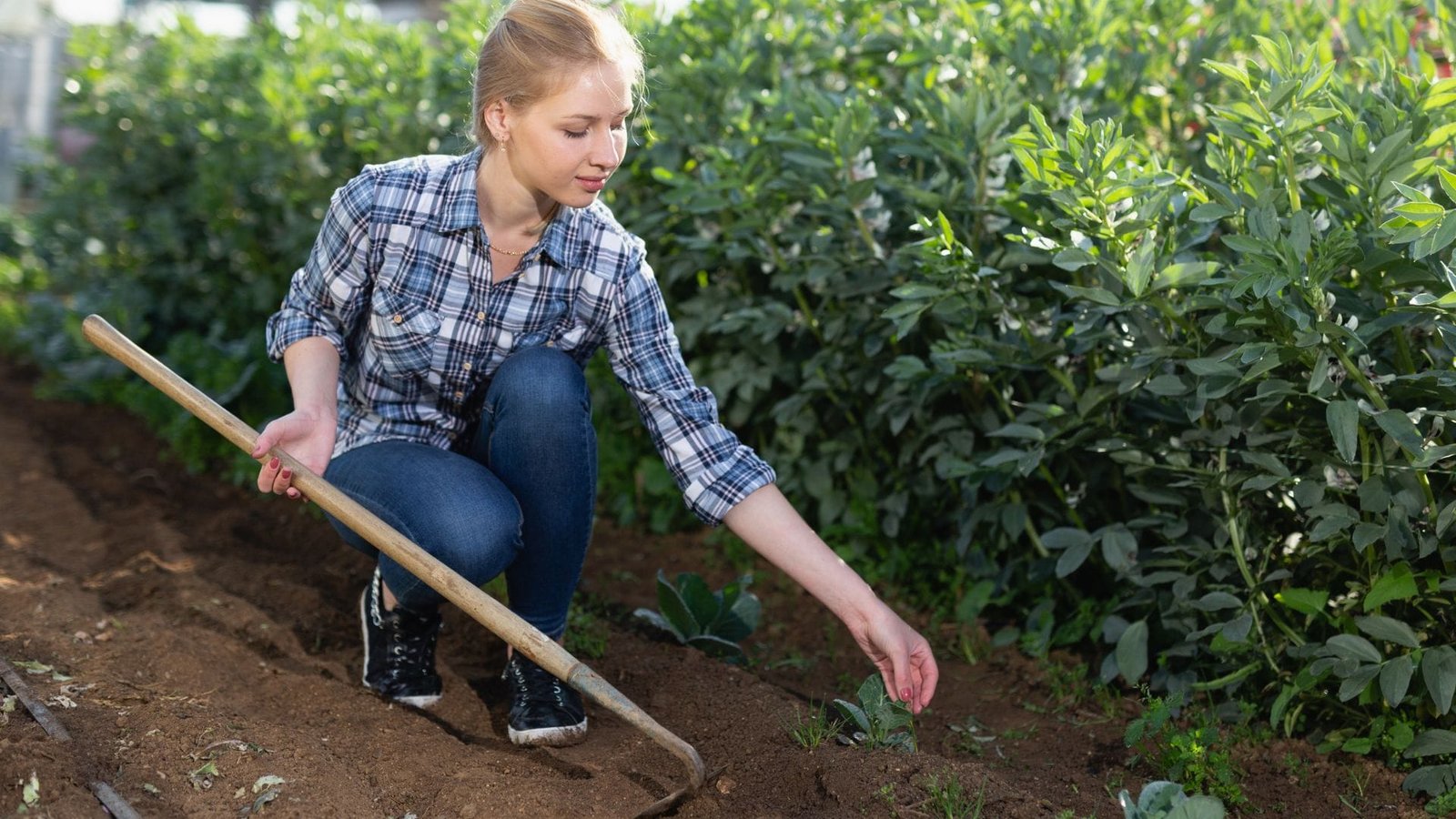
How to Stop Weeds Growing in Garden Beds
Weeds can turn a neat garden bed into a constant maintenance job. You pull them out, tidy everything up, and a few weeks later they seem to be back again. The good news is that you can dramatically reduce weed growth by making your garden bed less welcoming to unwanted plants in the first place.
The most effective approach is not a single weed-control trick. It is a combination of removing existing weeds, covering exposed soil, maintaining healthy plants and dealing with weeds before they produce seeds.
In this guide, you’ll learn how to stop weeds growing in garden beds using practical methods that suit ordinary homeowners. We’ll cover mulch, weed barriers, hand weeding, planting techniques, watering and ongoing maintenance, including options that work well in gardens.
What You Need to Know About Garden Bed Weeds
Weeds are simply plants growing where you don’t want them. They compete with your flowers, vegetables, shrubs and other garden plants for water, nutrients, light and space.
The key to long-term weed control is understanding where new weeds come from.
Some emerge from seeds already sitting in the soil. Others spread from nearby areas, while certain weeds can regrow from roots or pieces of plant material left behind after removal.
This means pulling out the visible weeds is only part of the job.
Why Weeds Keep Coming Back
Common reasons include:
- Bare soil is exposed to sunlight.
- Existing weeds are allowed to produce seeds.
- Weed roots are not completely removed.
- Garden beds are watered excessively.
- Mulch is too thin.
- Wind or birds introduce new seeds.
- Weed seeds are brought in through compost or garden materials.
- Garden plants are spaced too far apart, leaving large areas of exposed soil.
A good weed-control strategy tackles several of these problems at once.
Step-by-Step: How to Stop Weeds Growing in Garden Beds
1. Remove Existing Weeds First
Before applying mulch or installing a weed barrier, clear as many existing weeds as possible.
Pull small weeds by hand when the soil is slightly damp. This makes the job easier and gives you a better chance of removing the roots.
For larger weeds, use a hand fork or weeding tool to loosen the soil around the root system.
Don’t simply cut the tops off perennial weeds and expect them to disappear. Some will grow straight back.
If a weed has already produced flowers or seed heads, handle the material carefully. Avoid spreading mature seed around the garden bed.

2. Avoid Turning the Soil More Than Necessary
Digging and turning garden soil can bring buried weed seeds closer to the surface, where sunlight and moisture may encourage them to germinate.
After removing existing weeds, disturb the soil as little as practical.
If you need to prepare the bed for planting, do your major soil preparation before applying mulch. Once the bed is established, unnecessary digging can create additional work later.
3. Cover Bare Soil With Mulch
Mulching is one of the simplest ways to reduce weeds in garden beds.
A suitable layer of mulch blocks much of the sunlight that weed seeds need to germinate while also making it harder for emerging weeds to reach the surface.
Depending on the garden, you might use:
- Straw
- Sugar cane mulch
- Wood chips
- Bark mulch
- Leaf mulch
- Composted organic mulch
Spread mulch evenly around your plants rather than piling it directly against stems and trunks.
A mulch layer that is too thin may not provide much weed suppression. On the other hand, extremely deep mulch can create problems for some plants and may retain excessive moisture.
A practical approach is to follow the recommended depth for the particular mulch product you’re using and top it up as it decomposes or gets displaced.
4. Keep the Mulch Maintained
Mulch isn’t a permanent solution.
Organic mulch gradually breaks down. Rain, wind, birds and garden activity can also move it around, leaving patches of exposed soil.
Check your garden beds regularly.
If you notice thin areas, rake the existing mulch back into place and add more where necessary. Keeping the soil consistently covered is far easier than allowing weeds to establish and then starting the process again.
5. Use Weed Mat Where It Makes Sense
Landscape fabric or weed mat can provide another layer of protection, particularly beneath decorative gravel, paths and some long-term garden beds.
However, it isn’t suitable for every situation.
Weed mat can become less effective as organic material accumulates on top of it. Weed seeds can eventually germinate in that material, meaning weeds may still appear above the fabric.
For many planted garden beds, a good mulch system combined with regular maintenance can be simpler.
If you do install weed mat, prepare the area properly first. Remove existing weeds, level the surface and secure the fabric so it doesn’t shift.
Choose Plants That Help Cover the Soil
One of the best long-term ways to reduce weeds is to avoid leaving large areas of bare soil.
Plants naturally compete for space. A garden bed packed with appropriately spaced groundcovers, shrubs or other suitable plants leaves fewer opportunities for weeds to establish.
That doesn’t mean you should overcrowd the garden.
Plants need adequate room for mature growth and good air circulation. Instead, choose plants that are suited to the available space and arrange them so they eventually provide useful ground coverage.
Groundcovers Can Be Particularly Useful
Suitable groundcover plants can spread across portions of a garden bed and shade the soil.
This reduces exposed areas where weeds can germinate.
Before planting, check that the species is appropriate for your local climate and garden conditions. Some vigorous groundcovers can themselves become difficult to control.
Water Your Garden Carefully
Watering the entire garden bed unnecessarily can encourage weeds as well as your desirable plants.
Where practical, direct water towards the plants that actually need it.
Drip irrigation or soaker systems can be useful because they deliver water closer to plant roots rather than wetting the entire surface.
This doesn’t mean you should deliberately keep weeds dry while allowing desirable plants to struggle. The goal is simply to use water efficiently and avoid creating unnecessarily favourable conditions across empty areas of soil.
Don’t Let Weeds Go to Seed
This is one of the most important habits for keeping garden beds cleaner.
A single mature weed can produce a large number of seeds, depending on the species.
Removing a weed before it flowers and produces seeds helps reduce future generations.
Make quick weed inspections part of your normal garden routine. Spending ten minutes removing a handful of young weeds is usually much easier than tackling a heavily overgrown garden bed later.
Common Mistakes to Avoid
Leaving Small Weeds Until Later
Small weeds are easy to ignore.
That’s exactly why they can become a problem.
A five-minute weeding session now may prevent a much bigger job later.
Applying Mulch Over Existing Weeds
Mulch can suppress small weeds, but simply covering established weeds isn’t always enough.
Persistent weeds may grow through the mulch or continue developing underneath it.
Clear the area first whenever practical.
Creating a Very Thin Mulch Layer
A light sprinkling of mulch may look tidy but provide little weed suppression.
Maintain a consistent layer and replenish it when it breaks down.
Pulling Weeds Without Removing the Roots
Some weeds will return if their roots remain in the soil.
Take your time with stubborn weeds and loosen the surrounding soil before pulling.
Using Too Much Weed Killer
More chemical doesn’t necessarily mean better weed control.
Excessive or inappropriate herbicide use can damage desirable plants and create risks for people, pets and the surrounding environment.
Always read and follow the product label. Consider non-chemical methods first where practical.
Helpful Tips for Better Weed Control
A few simple habits can make a surprisingly large difference.
Weed after rain or watering. Moist soil generally makes hand removal easier.
Keep garden edges tidy. Weeds growing around paths and lawns can eventually spread into garden beds.
Inspect new mulch and compost. Use reputable garden materials and avoid introducing unwanted plant material.
Don’t leave pulled weeds lying around. If they contain mature seed heads, dispose of them appropriately rather than simply leaving them on the soil.
Top up mulch before weeds become established. Prevention is easier than recovery.
Plant for the conditions. Healthy plants that are suited to the available sunlight, soil and moisture are better able to compete for space.
Which Weed-Control Method Should You Use?
| Method | Weed Reduction | Maintenance | Best Use |
|---|---|---|---|
| Hand weeding | High for existing weeds | Regular | Small garden beds |
| Organic mulch | High when maintained | Moderate | Most planted beds |
| Weed mat | Moderate to high | Low to moderate | Some long-term areas |
| Dense planting | Moderate to high | Moderate | Established gardens |
| Targeted watering | Helps reduce unnecessary growth | Low | Garden beds with irrigation |
| Herbicides | Depends on product and weed | Variable | Specific situations |
For most homeowners, hand weeding combined with consistent mulch and sensible planting is a practical starting point.
When You Should Call a Professional
Most ordinary garden-bed weeds can be managed as a DIY job.
However, professional help may be worthwhile when the problem involves a severe invasive weed infestation, large areas of difficult-to-access land or weeds that are particularly difficult to identify or control.
If you’re considering herbicide use and aren’t sure whether a product is appropriate for a particular weed, plant or location, seek advice from a qualified local gardening or horticultural professional.
Be especially careful around waterways, edible crops, children’s play areas and pets.
Frequently Asked Questions
What is the best way to stop weeds growing in garden beds?
A combination of removing existing weeds, maintaining an appropriate layer of mulch, reducing bare soil and regularly removing young weeds is one of the most practical approaches.
Does mulch completely stop weeds?
No. Mulch can significantly reduce weed growth, but some weeds may still emerge. Seeds can land on top of mulch, and persistent weeds may grow through it.
How thick should garden mulch be?
The appropriate depth depends on the type of mulch and the plants involved. Follow the product’s recommendations rather than assuming that deeper is always better.
Should I put weed mat under mulch?
It can be useful in some situations, particularly beneath decorative surfaces, but it isn’t necessary for every planted garden bed. Properly maintained mulch can provide effective weed suppression on its own.
How often should I weed my garden beds?
Check your garden regularly and remove weeds while they’re young. A quick weekly inspection can be much easier than allowing weeds to become established.
Does vinegar permanently kill garden weeds?
Household vinegar can damage or kill some weeds, particularly young growth, but it isn’t a reliable permanent solution for every weed. Some plants can regrow from their roots, and indiscriminate application can damage desirable plants and soil organisms.
Can I stop weeds by planting more plants?
Appropriately spaced plants and groundcovers can reduce bare soil and shade the ground, making it harder for some weeds to establish. Don’t overcrowd plants, however; allow enough room for mature growth.
What should I do with weeds after pulling them out?
If the weeds haven’t produced mature seeds, they can sometimes be composted depending on your composting system and the weed species. Weeds carrying mature seed heads should be handled carefully to avoid spreading seeds.
Final Thoughts
Learning how to stop weeds growing in garden beds is really about prevention rather than constantly fighting established weeds.
Start by clearing the existing growth. Then cover exposed soil with suitable mulch, maintain it as it breaks down and choose plants that provide useful ground coverage. Regularly inspect your garden and remove weeds before they have an opportunity to flower and produce more seeds.
You don’t need to spend every weekend weeding. A little consistent maintenance can keep garden beds looking cleaner while giving your plants more access to water, nutrients and space.