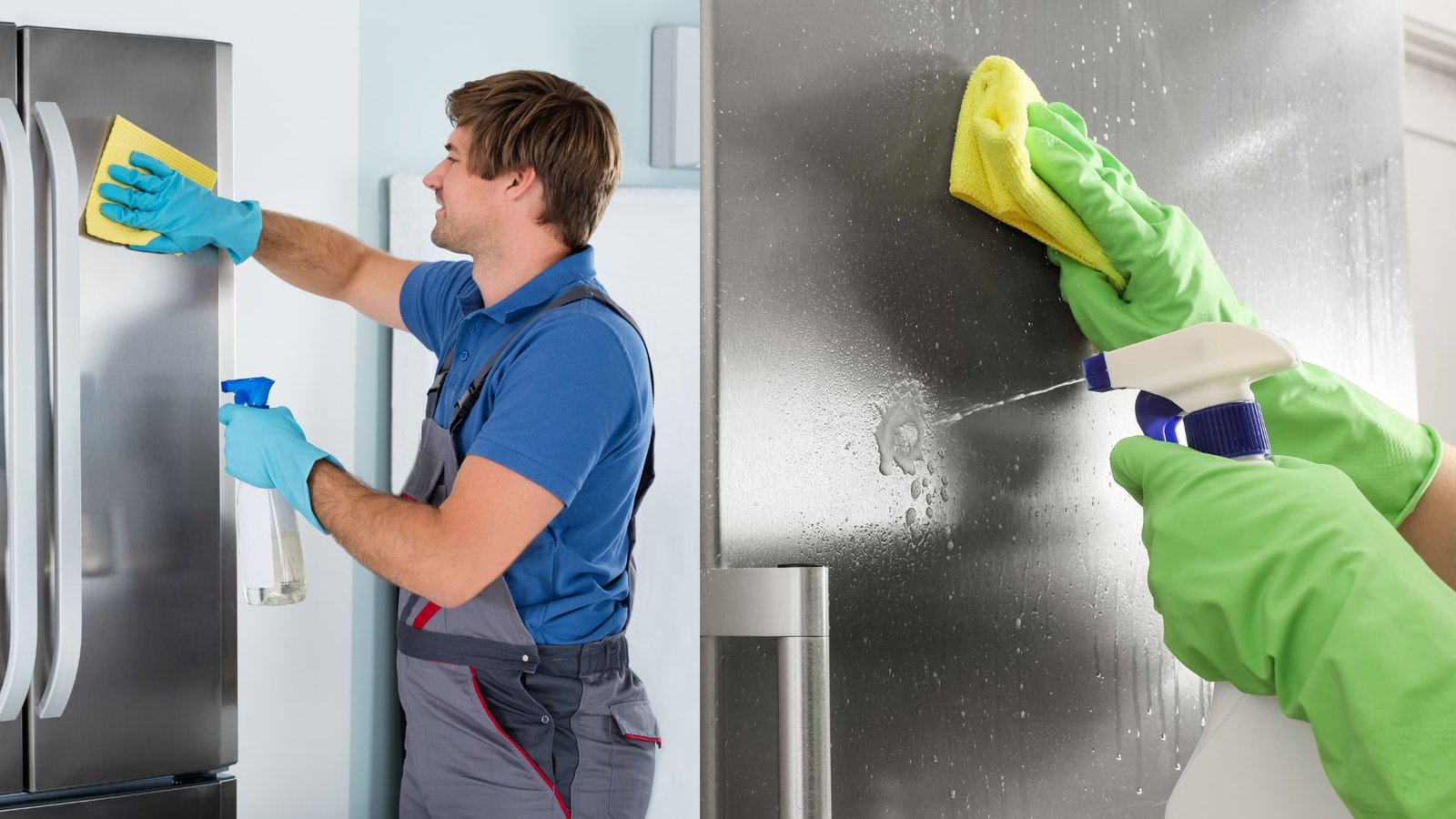
How to Clean Stainless Steel Appliances Naturally
Stainless steel appliances look fantastic when they’re clean, but fingerprints, grease, water marks and food splashes can quickly make them look dull and dirty. The good news is that you don’t need a cupboard full of harsh chemicals to keep your refrigerator, dishwasher, oven or rangehood looking fresh.
Learning how to clean stainless steel appliances naturally is mostly about using simple household ingredients, the right cloth and the correct cleaning technique. The biggest mistake is often not the cleaning product itself. It’s scrubbing too hard, using an abrasive material or wiping against the grain of the stainless steel.
For everyday cleaning, warm water and a small amount of mild dishwashing liquid are often enough. For fingerprints and light marks, diluted white vinegar can be useful on suitable stainless-steel surfaces. A final wipe with a clean microfibre cloth helps remove streaks and leaves the surface looking much better.
Let’s look at the safest and simplest ways to clean stainless steel appliances naturally.
Why Stainless Steel Appliances Get Dirty So Quickly
Stainless steel is durable, but its smooth surface shows marks easily.
Everyday use can leave behind:
- Fingerprints
- Grease and cooking oil
- Food splashes
- Water spots
- Dust
- Dried-on spills
- Soap residue
- Smears from previous cleaning products
Cooking areas are particularly prone to greasy fingerprints and airborne cooking residue. Refrigerators and dishwashers, meanwhile, tend to collect fingerprints around handles and frequently touched areas.
Stainless steel also has a grain. If you look closely, you’ll usually see very fine lines running in one direction across the surface.
Cleaning with the grain generally produces a better finish and reduces the chance of visible streaking.
What You Need to Clean Stainless Steel Naturally
You don’t need expensive specialist cleaners for routine cleaning.
Gather:
- Warm water
- Mild dishwashing liquid
- White vinegar
- Clean microfibre cloths
- A soft sponge if necessary
- A clean, dry towel or microfibre cloth
- A spray bottle for diluted vinegar, if desired
For stubborn marks, you may also use a small amount of baking soda in certain circumstances, but caution is needed.
Baking soda is mildly abrasive. That means it can potentially dull or scratch some stainless-steel finishes if rubbed aggressively. It shouldn’t be treated as the default cleaner for a delicate or highly polished surface.
If you’re unsure about the finish on an appliance, start with the gentlest method.
How to Clean Stainless Steel Appliances Naturally
The safest approach is to start simple and only increase the cleaning strength if necessary.
1. Remove Loose Dirt and Debris
Before wiping the appliance with a damp cloth, remove loose crumbs, dust and other debris.
A dry microfibre cloth works well for this.
This matters because rubbing loose grit across the surface can create unnecessary fine scratches.
If you’re cleaning around an oven, refrigerator or dishwasher handle, pay particular attention to food particles and dust that may have accumulated around edges and seams.

2. Prepare Warm Soapy Water
Add a small amount of mild dishwashing liquid to a bowl or bucket of warm water.
You don’t need a lot of soap.
A heavily concentrated solution can leave more residue behind, which may make the appliance look streaky after cleaning.
Dip a clean microfibre cloth into the solution and wring it out thoroughly. The cloth should be damp rather than dripping wet.
3. Wipe With the Grain
Look closely at the stainless steel to identify the direction of the grain.
Then gently wipe in that direction.
Don’t scrub backwards and forwards randomly across the surface.
Use overlapping strokes and work from one section to another. If the appliance is particularly dirty, rinse the cloth regularly rather than spreading grease around.
This simple technique can make a surprisingly large difference to the final appearance.
4. Pay Attention to Handles
Handles often contain more grease and fingerprints than the rest of the appliance.
Give them a little extra attention, particularly around the areas where fingers naturally grip.
If you have a refrigerator with a water or ice dispenser, clean around the controls carefully according to the appliance manufacturer’s instructions.
Avoid allowing water to run into buttons, switches, displays or electrical openings.
5. Remove Soap Residue
Once you’ve cleaned the surface, wipe it again using a clean microfibre cloth dampened with plain water.
This removes leftover detergent.
Don’t skip this step if you want a streak-free result.
Dishwashing liquid can leave a thin film if too much has been used.
6. Dry the Stainless Steel
Use a fresh, dry microfibre cloth to dry the surface.
This is particularly useful on refrigerators, dishwashers and other appliances where water spots can become obvious.
Don’t simply leave a wet stainless-steel surface to air dry if you are trying to achieve a polished appearance.
Drying also helps remove the small amount of moisture left behind after cleaning.
How to Remove Fingerprints Naturally
Fingerprints are one of the most common problems with stainless steel.
For light fingerprints, start with warm water and a microfibre cloth.
If marks remain, a diluted white vinegar solution can be useful on many stainless-steel surfaces.
Mix approximately equal parts white vinegar and water in a spray bottle.
Lightly apply it to the cloth rather than heavily spraying the appliance.
Then wipe gently with the grain.
Follow with a clean damp cloth if necessary, then dry the surface thoroughly.
Important Vinegar Warning
Although vinegar is useful for many cleaning jobs, don’t assume it is suitable for every appliance surface.
Some appliances have special coatings or finishes that can be affected by particular cleaning products.
Always check the manufacturer’s care instructions first, particularly for newer or specially finished appliances.
Also keep vinegar away from natural stone surfaces such as marble and some other acid-sensitive materials. If your appliance sits beside a stone benchtop, don’t allow vinegar solution to pool or drip onto it.
How to Remove Grease From Stainless Steel
Grease usually requires a little more cleaning power than fingerprints.
Start with warm water and a small amount of mild dishwashing liquid.
Apply the solution with a microfibre cloth and allow it to sit on the greasy area briefly rather than immediately scrubbing hard.
Then wipe gently with the grain.
For heavier cooking grease, repeat the process rather than attacking the surface with a rough scourer.
The goal is to dissolve and lift the grease, not physically scrape it away.
Once the grease has been removed, wipe the area with clean water and dry it.
Can You Use Baking Soda on Stainless Steel?
Baking soda is commonly suggested as a natural cleaner, but it needs to be used carefully.
Because baking soda is mildly abrasive, vigorous rubbing can potentially mark or dull some stainless-steel finishes.
If you decide to use it for a stubborn mark, make a soft paste with a small amount of water and test it first in an inconspicuous area.
Use very gentle pressure.
Never use a dry pile of baking soda and aggressively scrub the appliance.
For most routine cleaning, warm soapy water is a safer starting point.
How to Remove Water Spots Naturally
Water spots are particularly noticeable on dark or highly polished stainless steel.
They are usually caused by minerals left behind as water evaporates.
Start by wiping the surface with a clean microfibre cloth dampened with warm water.
If that doesn’t work, diluted white vinegar may help break down mineral deposits on compatible stainless-steel surfaces.
Apply the solution sparingly, wipe with the grain and then rinse the surface with clean water.
Dry thoroughly.
The drying stage is important. If you repeatedly leave water to evaporate naturally, you’re likely to see the same spotting problem return.
What Not to Use on Stainless Steel Appliances
The wrong cleaning tool can cause more damage than the dirt you’re trying to remove.
Avoid using:
- Steel wool
- Wire brushes
- Harsh abrasive pads
- Scouring powders
- Knives or sharp objects to scrape deposits
- Aggressive scrubbing
- Chlorine bleach unless specifically approved by the manufacturer
- Oven cleaner on surfaces where the manufacturer doesn’t permit it
- Unknown chemical mixtures
Never mix household cleaning chemicals.
In particular, don’t experiment with combinations of cleaners simply because each product is considered safe on its own.
When in doubt, check the appliance manufacturer’s cleaning instructions.
How to Get a Streak-Free Finish
Getting stainless steel clean is one thing. Getting it to look good is another.
A simple three-stage process works well:
- Clean: Use warm water and a small amount of mild dishwashing liquid.
- Rinse: Wipe away detergent residue with a clean damp cloth.
- Dry: Buff gently with a clean, dry microfibre cloth.
Always work with the grain.
Avoid soaking the appliance.
Using too much cleaning solution is another common cause of streaks. More product doesn’t necessarily mean a cleaner surface.
Often, less is better.
How Often Should You Clean Stainless Steel Appliances?
The right cleaning schedule depends on how heavily the appliance is used.
For a busy household, a quick wipe of frequently touched areas every few days can prevent grease and fingerprints from building up.
A simple routine could look like this:
Daily or as needed
- Wipe obvious food splashes.
- Clean spills promptly.
- Wipe heavily handled areas if fingerprints are noticeable.
Weekly
- Clean the complete exterior.
- Pay attention to handles and edges.
- Remove grease and accumulated marks.
Monthly
- Clean around appliance edges and seals.
- Inspect areas behind or underneath the appliance where accessible.
- Check the manufacturer’s recommended maintenance tasks.
Cleaning spills promptly is especially helpful around cooking appliances because dried-on food becomes harder to remove later.
Common Mistakes When Cleaning Stainless Steel
Scrubbing Against the Grain
This can make cleaning marks more obvious and may contribute to scratching.
Using Too Much Water
Excess water can run into controls, seams and other areas where moisture isn’t wanted.
Using Too Much Soap
Heavy detergent concentrations can leave a cloudy film.
Using Abrasive Pads
These can scratch the surface or change its appearance.
Letting Water Air Dry
Minerals left behind can create water spots.
Ignoring the Manufacturer’s Instructions
Some stainless-steel appliances have protective coatings or special finishes that require specific cleaning methods.
When DIY Cleaning Isn’t Enough
Routine cleaning is a straightforward DIY task, but don’t try to repair an appliance simply because you’re already cleaning it.
If you notice:
- Electrical damage
- Exposed wiring
- A burning smell
- Gas leaks or suspected gas problems
- Damaged power cords
- Water leaking from an appliance
- A refrigerator that isn’t cooling properly
- An oven with a suspected electrical fault
stop and deal with the underlying problem appropriately.
Electrical and gas-related repairs can be dangerous and may require licensed professionals under Australian state or territory requirements.
Cleaning the outside of an appliance is very different from dismantling or repairing it.
How to Keep Stainless Steel Appliances Cleaner for Longer
The easiest cleaning job is the one you don’t have to do.
A few habits can reduce the amount of work required.
Wipe spills when they happen rather than allowing them to dry.
Keep a clean microfibre cloth somewhere convenient so you can quickly deal with fingerprints.
Don’t use dirty cloths that have already collected grease from other cleaning jobs.
When cooking, try to avoid touching appliance handles with greasy hands.
And after cleaning, always dry the stainless steel rather than leaving droplets behind.
Small habits make a noticeable difference over time.
Frequently Asked Questions
What is the best natural cleaner for stainless steel appliances?
For everyday cleaning, warm water and a small amount of mild dishwashing liquid are usually a good starting point. Diluted white vinegar can help with some fingerprints and mineral deposits, provided it is compatible with the appliance’s finish.
Can I clean stainless steel with vinegar?
Diluted white vinegar can be used on many stainless-steel surfaces, but you should check the manufacturer’s instructions first. Apply it sparingly, wipe with the grain and rinse or wipe with clean water afterwards where appropriate.
Can baking soda scratch stainless steel?
Baking soda is mildly abrasive, so vigorous scrubbing can potentially scratch or dull some finishes. If used, apply it gently and test an inconspicuous area first.
How do I remove fingerprints from stainless steel naturally?
Start with a damp microfibre cloth and warm water. For stubborn fingerprints, diluted white vinegar may help on compatible surfaces. Finish by wiping and drying with a clean microfibre cloth.
Why does my stainless steel look streaky after cleaning?
Streaks are often caused by too much cleaning product, soap residue, dirty cloths or allowing water to dry on the surface. Use less product, rinse with a clean damp cloth and dry with a fresh microfibre cloth.
Should I clean stainless steel with the grain?
Yes. Wiping in the direction of the visible grain is generally the best approach. It helps produce a more uniform finish and reduces the appearance of cleaning marks.
Can I use a scourer on stainless steel?
It’s best to avoid abrasive scourers unless the appliance manufacturer specifically says that a particular pad is suitable. Abrasive materials can scratch or alter the appearance of stainless steel.
How often should I clean stainless steel appliances?
Wipe spills and obvious marks as needed, clean frequently touched areas every few days in a busy household, and give the complete exterior a more thorough clean about once a week or whenever it becomes visibly dirty.
Conclusion
Learning how to clean stainless steel appliances naturally doesn’t require a complicated collection of cleaning products.
Start with the simplest option: warm water, a little mild dishwashing liquid and a clean microfibre cloth. Work with the grain, avoid abrasive materials and don’t leave the surface wet.
For suitable stainless-steel finishes, diluted white vinegar can provide additional help with fingerprints and mineral deposits. Baking soda should be used more cautiously because its abrasive nature means aggressive scrubbing can damage some finishes.
Most importantly, check the manufacturer’s cleaning instructions before using any homemade solution, particularly if your appliance has a coated, brushed, polished or specialist finish.
A few minutes of gentle cleaning each week can keep stainless steel looking far better and prevent small spills and grease marks from becoming difficult cleaning jobs later.