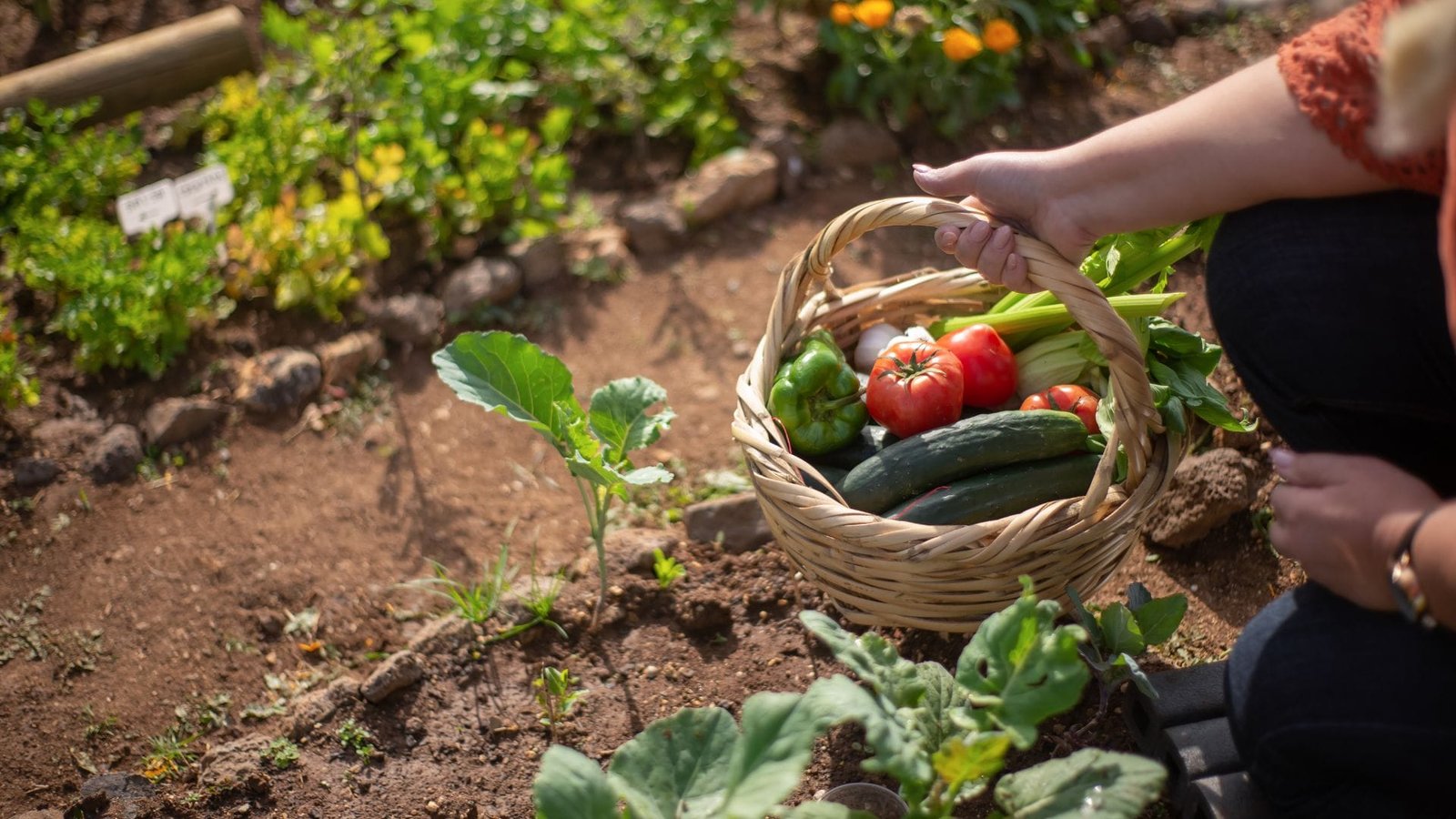
Simple Vegetable Garden for Beginners
A Practical Guide to Growing Your Own Food
Growing your own vegetables doesn’t require a large backyard, expensive equipment or years of gardening experience. With a little planning, a sunny spot and a handful of easy-to-grow vegetables, you can start a productive garden at home and enjoy fresh produce straight from your own garden bed.
If you’re looking for a simple vegetable garden for beginners, the secret is to start small, choose vegetables suited to your local climate and build good gardening habits from the beginning. You don’t need to grow everything at once. A few healthy tomato plants, leafy greens and herbs can provide a satisfying harvest without turning gardening into a full-time job.
This guide walks you through choosing a location, preparing your soil, selecting beginner-friendly vegetables, planting your first garden and keeping everything healthy. The advice is especially useful for Australian homeowners, where growing conditions can vary considerably between tropical, temperate and cooler regions.
By the end, you’ll have a straightforward plan for creating a vegetable garden you can manage, enjoy and expand over time.
What You Need to Know Before Starting a Vegetable Garden

A successful vegetable garden starts with three basic requirements: sunlight, healthy soil and a reliable water supply.
Most popular fruiting vegetables, including tomatoes, capsicums and cucumbers, need around six to eight hours of direct sunlight each day. Leafy greens such as lettuce and some Asian greens can tolerate partial shade, particularly in hot Australian summers.
You also need soil that drains reasonably well. Vegetable roots struggle in waterlogged ground, while very sandy soil may dry out quickly and lose nutrients. If your garden soil is poor, a raised garden bed or large container filled with a suitable vegetable-growing mix can make things considerably easier.
Before buying plants, consider how much space you can realistically maintain.
A small garden measuring approximately 1 metre by 2 metres is enough to get started. You can grow a surprising amount in a compact space by combining leafy greens, herbs and a few larger plants.
The best beginner garden is one you can look after consistently. Starting with too many vegetables often leads to wasted seedlings, neglected watering and disappointing results.
Step-by-Step: How to Start a Simple Vegetable Garden
Step 1: Choose the Right Location
Walk around your backyard and identify a spot that receives plenty of sunlight. Observe it at different times of the day, because a location that looks sunny in the morning may be shaded for much of the afternoon.
Choose an area that is easy to reach with a garden hose or watering can. Keeping your vegetables close to the house can make checking plants and harvesting produce part of your everyday routine.
Avoid locations where water regularly pools after rain. Also consider nearby trees, whose roots may compete with vegetables for moisture and nutrients.
If you don’t have a backyard, don’t give up. A sunny balcony, courtyard or paved area can work well with appropriately sized pots and containers.
Step 2: Decide Between a Garden Bed and Containers
You have two straightforward options.

Raised garden bed
Ideal for backyards. Offers good access, easier soil management and room for several vegetables.

Pots and containers
Ideal for renters, balconies and small courtyards. Easy to arrange, although containers need regular watering.
A raised bed doesn’t need to be elaborate. A manageable size is approximately 1.2 metres wide, so you can reach the middle from either side, and 1.8–2.4 metres long if space allows.
For containers, choose pots with drainage holes. Lettuce and herbs can grow in relatively modest containers, while tomatoes and cucumbers need larger pots to accommodate their roots.
Use containers intended for growing edible plants and a quality potting mix suitable for vegetables. Ordinary garden soil is often too heavy for pots and may drain poorly.
Step 3: Prepare the Soil
Healthy soil makes a noticeable difference to plant growth.
If you’re planting directly into the ground, remove weeds, grass and large stones. Loosen the soil with a garden fork, avoiding unnecessary digging when the soil is wet.
Work in mature compost to improve soil structure and help retain moisture. If your soil is very poor, consider a soil test before adding lime, fertiliser or other amendments. Adding the wrong product can create nutrient imbalances.
For a raised bed, use a quality vegetable garden soil mix and follow the supplier’s recommendations for compost and fertiliser.
Don’t use fresh manure directly around young vegetables. It can damage plants and may introduce harmful microorganisms. Properly composted material is the safer option.
Step 4: Choose Easy Vegetables for Beginners


The easiest vegetables to grow depend on your climate and the season. Start with three or four varieties rather than planting everything you like to eat.
| Vegetable | Why it’s beginner-friendly | Growing tip |
|---|---|---|
| Lettuce | Grows relatively quickly | Give it regular moisture and some afternoon shade in hot weather |
| Radishes | Often ready in around 4–6 weeks | Sow directly into loose soil |
| Spring onions | Compact and useful in the kitchen | Keep the soil evenly moist |
| Cherry tomatoes | Productive in suitable conditions | Provide sun, support and consistent watering |
| Silverbeet | A useful leafy vegetable for repeated harvesting | Pick outer leaves as needed |
| Zucchini | Can produce generously in warm weather | Allow plenty of room for spreading leaves |
These timeframes and results vary with the variety, temperature and growing conditions.
For a first garden, I’d suggest lettuce, spring onions, silverbeet and one cherry tomato plant. This gives you a useful mix without demanding too much space.
Check seed packets or plant labels for the recommended sowing season in your area. Australia’s climate is diverse, so the right planting time in Melbourne may be quite different from the right time in Brisbane or Darwin.
Step 5: Plant Your Seeds or Seedlings
Some vegetables are best planted as seeds, while others are easier to establish as seedlings.
Radishes, carrots, beans and many leafy greens can be sown directly into the garden. Tomatoes and capsicums are often convenient to buy as seedlings, especially if you’re new to gardening.
Follow the packet instructions for planting depth and spacing. Seeds planted too deeply may struggle to emerge, while overcrowded seedlings compete for sunlight, water and nutrients.
A simple planting routine looks like this:
- Water the soil before planting if it is dry.
- Make shallow holes or rows according to the seed packet.
- Place seeds at the recommended depth and spacing.
- Cover lightly with soil and water gently.
- Label each row or pot with the vegetable name and planting date.
- Keep the soil consistently moist while seeds germinate.
If you’re planting seedlings, water them in after planting and protect them from harsh conditions while they establish.
Resist the temptation to plant too many seeds in one spot. If thinning is necessary, remove surplus seedlings as directed on the packet so the remaining plants have enough room to develop.
Step 6: Water Your Garden Properly
Watering is one of the most common challenges for beginner gardeners. Too little water causes wilting and poor growth, while excessive watering can suffocate roots and encourage disease.
Rather than following a rigid daily schedule, check the soil first. If the top few centimetres are dry, it may be time to water, depending on the plant and weather.
Water slowly around the base of the plants so moisture reaches the root zone. Early morning is generally a good time because plants can take up water before the heat of the day.
During hot, dry or windy weather, vegetables may need more frequent watering. Pots usually dry out faster than garden beds, especially in summer.
A layer of suitable organic mulch can help reduce evaporation and suppress weeds. Keep mulch slightly away from plant stems to reduce the risk of rot.
Step 7: Feed Plants and Manage Weeds
Vegetables need nutrients to produce healthy leaves, flowers and fruit. Start with good-quality soil and use a fertiliser designed for edible garden plants when additional feeding is needed.
Follow the product label rather than assuming more fertiliser will produce a bigger harvest. Excessive nitrogen, for example, can encourage leafy growth at the expense of fruit production in some vegetables.
Check your garden regularly for weeds. Remove small weeds before they develop extensive roots or produce seeds.
A few minutes of maintenance every couple of days can prevent a much bigger job later.
Common Vegetable Gardening Mistakes to Avoid
Even a simple garden can struggle when a few basic rules are overlooked.
- Planting in too much shade: Fruiting vegetables generally need generous sunlight. Move sun-loving plants to a brighter position if possible.
- Overwatering: Constantly wet soil can damage roots. Check moisture before watering.
- Growing too many vegetables at once: Start with a few reliable varieties and expand after your first successful harvest.
- Ignoring plant spacing: Crowded plants compete for resources and have less airflow, which can increase disease problems.
- Planting in the wrong season: Use locally appropriate planting calendars and seed-packet guidance.
- Using poor-quality potting mix: Cheap or unsuitable growing media may drain badly or lack the structure plants need.
- Forgetting pest checks: Inspect the undersides of leaves for caterpillars, aphids and other pests before damage becomes widespread.
One more mistake is expecting every plant to thrive. Gardening involves trial and error. If a crop fails, record what happened and try a different variety or planting time next season.
Helpful Tips for Better Results

A few simple habits will make your first vegetable garden easier to manage.
Grow what you actually eat. There’s little benefit in filling a garden with vegetables your household rarely uses. Choose ingredients that regularly appear in your meals.
Keep a basic gardening diary. Write down when you sowed seeds, what you planted and when you harvested. These notes help you identify which varieties perform best in your location.
Harvest regularly. Picking leafy greens and suitable vegetables at the right stage can encourage continued production, depending on the crop.
Protect young plants. In exposed Australian gardens, hot afternoons, strong winds and heavy rain can damage seedlings. Temporary shade cloth or suitable plant protection can help during extreme conditions.
Use mulch thoughtfully. Clean, suitable organic mulch helps retain moisture, but keep it away from stems and follow crop-specific recommendations.
Check for pests before reaching for sprays. Hand-picking larger pests, removing badly affected leaves and using physical barriers may be sufficient for minor problems. If you use a pest-control product, ensure it is suitable for the crop and follow all label directions.
Most importantly, make gardening manageable. A small garden that receives regular attention is usually more rewarding than a large one that becomes overwhelming.
When Should You Call a Professional?
Most small vegetable gardens are suitable DIY projects. However, a few situations deserve extra care.
- Contaminated soil: If your property has a history of industrial use, contaminated fill or other potential pollutants, consider testing the soil before growing edible crops. Raised beds with clean growing media may be appropriate, depending on the circumstances.
- Unsafe retaining walls or structures: If a proposed garden bed requires significant excavation near foundations, retaining walls or underground services, seek professional advice first.
- Persistent drainage problems: If water regularly collects near your house or flows towards the foundations, consult a drainage professional rather than simply adding garden soil.
- Suspected chemical contamination: If soil or water may contain harmful chemicals, obtain appropriate testing and advice before using it for food production.
If you are renting, check your lease or obtain permission before building permanent garden beds or making significant changes to the property.
Frequently Asked Questions
1. What is the easiest vegetable garden for beginners?
A small garden bed or a few containers growing lettuce, spring onions, silverbeet and herbs are excellent starting points. These crops are useful in the kitchen and can be manageable for first-time gardeners when planted in the right season.
2. How much space do I need for a simple vegetable garden?
You can begin with a few pots on a sunny balcony or a garden bed measuring approximately 1 by 2 metres. Choose compact crops and avoid overcrowding plants. You can expand when you become more confident.
3. What vegetables can I grow all year round in Australia?
There is no single list that works throughout Australia. Silverbeet, spring onions and some leafy greens can be grown across much of the year in suitable locations, but planting times depend on your local climate. Check a regional planting calendar before sowing.
4. How often should I water my vegetable garden?
Check the soil regularly and water when the plants need it. Hot weather, wind, plant size and soil type all affect watering requirements. Containers often need more frequent watering than garden beds. Aim to moisten the root zone without leaving the soil waterlogged.
5. Is it better to grow vegetables from seeds or seedlings?
Both methods work well. Seeds are economical and offer more variety, while seedlings can make it easier to get started with crops such as tomatoes and capsicums. For beginners, combining both approaches is a practical option.
6. Do I need fertiliser for a beginner vegetable garden?
Good soil and mature compost provide a useful starting point, but many productive vegetables benefit from additional nutrients as they grow. Use a fertiliser suitable for edible crops and follow the label directions.
7. Can I grow vegetables in pots instead of a garden bed?
Absolutely. Choose containers with drainage holes, use quality vegetable potting mix and select pots large enough for the plants. Leafy greens and herbs are particularly convenient choices for small spaces, while tomatoes need larger containers.
8. How long does it take to harvest vegetables?
It depends on the crop. Radishes may be ready in around four to six weeks, while tomatoes commonly take several months from sowing to a useful harvest. Check the variety’s growing instructions and remember that temperature and sunlight affect growth.
Final Recommendation
For your first vegetable garden, keep things simple: choose a sunny location, prepare good soil, plant three or four vegetables you enjoy eating and establish a regular watering routine.
Once you see your first seedlings grow and harvest your first vegetables, you’ll have a much better idea of what works in your backyard. You can then introduce more varieties, experiment with seasonal planting and gradually turn a small patch of ground into a productive home garden.
The best time to build your gardening skills is one manageable planting at a time.